The post The Dangers of Industrial Acids & Alkalines: Risks & Safety Measures appeared first on Online Health & Safety Training Courses | ProTrainings Europe.
]]>Industrial acids and alkalines play a crucial role in various industries, from manufacturing and metal processing to chemical production and cleaning. However, these substances can pose serious health, safety, and environmental risks when not handled properly. Understanding their dangers and implementing strict safety measures is essential to prevent workplace injuries and long-term harm.
Understanding Industrial Acids and Alkalines
What Are Industrial Acids?
Industrial acids are highly corrosive substances used in processes such as metal etching, cleaning, and chemical synthesis. Common industrial acids include:
- Sulphuric Acid (H₂SO₄): Used in battery production, refining, and chemical manufacturing.
- Hydrochloric Acid (HCl): Found in industrial cleaning and metal processing.
- Nitric Acid (HNO₃): Used in explosives, fertilisers, and metal finishing.
- Phosphoric Acid (H₃PO₄): Common in food processing and rust removal.
What Are Industrial Alkalines?
Alkaline substances, also known as bases, are used in industries like paper production, textile processing, and degreasing operations. Common industrial alkalines include:
- Sodium Hydroxide (Caustic Soda – NaOH): Used in soap making, drain cleaners, and petroleum refining.
- Potassium Hydroxide (KOH): Found in fertilisers, batteries, and biodiesel production.
- Calcium Hydroxide (Lime – Ca(OH)₂): Used in cement production and water treatment.
- Ammonium Hydroxide (NH₄OH): Common in industrial cleaning agents and fertilizers.
Both acids and alkalines have essential uses, but their highly reactive nature makes them dangerous when mishandled.
Health Risks of Industrial Acids & Alkalines
Exposure to industrial acids and alkalines can result in severe injuries and long-term health issues.
1. Chemical Burns
Both acids and alkalines cause chemical burns when they come into contact with skin or mucous membranes.
- Acid Burns: Rapid tissue destruction, severe pain, and scarring.
- Alkaline Burns: Even more dangerous, as they penetrate deeper into the skin and continue causing damage for an extended period.
2. Respiratory Hazards
Many industrial acids and alkalines release toxic fumes that can cause severe respiratory issues, including:
- Lung Irritation & Chemical Pneumonia: Inhalation of acid or alkaline vapours can lead to inflammation of the airways and difficulty breathing.
- Long-Term Lung Damage: Prolonged exposure can result in chronic lung conditions or respiratory failure.
3. Eye Injuries
Direct contact with acid or alkaline splashes can cause permanent eye damage or blindness. Even minor exposure can lead to painful irritation, redness, and swelling.
4. Environmental Hazards
Spills or leaks of industrial acids and alkalines can contaminate soil and water sources, posing risks to wildlife and ecosystems. Alkalines can disrupt pH levels in water, while acids can corrode infrastructure and damage aquatic life.
Workplace Safety Measures for Handling Acids & Alkalines
To minimise risks, industries must follow strict safety protocols when handling these hazardous substances.
1. Personal Protective Equipment (PPE)
Workers should always wear the appropriate PPE, including:
✔ Chemical-resistant gloves (e.g., nitrile or neoprene)
✔ Safety goggles or face shields to protect eyes
✔ Acid-resistant aprons and clothing
✔ Respiratory protection (e.g., masks with chemical filters) in environments with high vapour exposure
2. Proper Chemical Storage
- Store acids and alkalines in separate, well-ventilated areas to prevent dangerous reactions.
- Use clearly labelled, corrosion-resistant containers for storage.
- Keep spill containment measures in place to prevent leaks from spreading.
3. Safe Handling Procedures
- Always add acid to water, not water to acid (to prevent explosive reactions).
- Use chemical fume hoods or ventilation systems when handling volatile acids or alkalines.
- Never mix acids and alkalines unless explicitly required, as violent reactions can occur.
4. Emergency Response Measures
In the event of exposure:
For Skin Contact: Rinse immediately with large amounts of water for at least 15–30 minutes. Do not attempt to neutralise with another chemical.
For Eye Exposure: Flush eyes with sterile water or an eye wash station for at least 15 minutes and seek medical attention.
For Inhalation: Move the affected person to fresh air and seek immediate medical assistance.
For Spills: Follow hazardous material spill procedures, including containment, neutralisation, and proper disposal by trained personnel.
Conclusion
Industrial acids and alkalines are essential in many industries but pose significant risks if not handled properly. By understanding the dangers of chemical exposure and implementing stringent safety measures, businesses can protect their workers, reduce environmental harm, and ensure safe industrial operations.
Prioritising workplace safety through proper training, PPE usage, and emergency preparedness is key to preventing accidents and long-term health consequences.
The post The Dangers of Industrial Acids & Alkalines: Risks & Safety Measures appeared first on Online Health & Safety Training Courses | ProTrainings Europe.
]]>The post Industrial Acids: Effects on the Body, First Aid, Health Impacts & Prevention in the Workplace appeared first on Online Health & Safety Training Courses | ProTrainings Europe.
]]>Effects of Industrial Acids on the Body: Industrial acids can cause harm through inhalation, ingestion, or skin and eye contact. Effects can vary depending on the concentration, duration of exposure, and the specific acid involved. Common consequences include chemical burns, respiratory irritation, and eye damage.
First Aid Requirements:
- Inhalation: Move the affected person to fresh air immediately. Keep them warm and at rest. Seek medical attention if breathing difficulties persist.
- Ingestion: Do not induce vomiting. Rinse the person’s mouth with water, and encourage them to drink small amounts of water if conscious. Seek immediate medical attention.
- Skin contact: Remove contaminated clothing and rinse the affected area with plenty of water for at least 15 minutes. Cover the affected area with a sterile dressing and seek medical attention.
- Eye contact: Rinse the affected eye with clean water for at least 15 minutes while holding the eyelids open. Seek immediate medical attention.
Immediate Health Effects: Exposure to industrial acids can lead to various immediate health effects, including:
- Chemical burns: Acids can cause severe burns to the skin and underlying tissues, resulting in pain, redness, and blistering.
- Respiratory irritation: Inhaled acid fumes can irritate the respiratory tract, causing coughing, shortness of breath, and chest pain.
- Eye damage: Direct contact with acids can cause severe eye damage, including corneal burns and potential blindness.
Long-Term Health Effects: Prolonged or repeated exposure to industrial acids can result in long-term health effects, such as:
- Chronic respiratory issues: Workers exposed to acid fumes over a long period may develop chronic respiratory conditions, like bronchitis or asthma.
- Skin damage: Repeated skin contact with acids can lead to dermatitis, increased sensitivity, and permanent scarring.
- Vision impairment: Prolonged eye exposure to acids can cause long-lasting vision problems or permanent eye damage.
Prevention: To minimise the risks associated with industrial acids in the workplace, consider implementing the following strategies:
- Personal protective equipment (PPE): Ensure workers wear appropriate PPE, such as gloves, goggles, face shields, and acid-resistant clothing.
- Proper storage and handling: Store acids in designated areas, using appropriate containers and labels. Train workers on safe handling procedures.
- Ventilation: Maintain adequate ventilation in work areas to reduce the concentration of acid fumes and vapours.
- Emergency protocols: Develop and enforce clear emergency response plans, including the availability of first aid supplies, eyewash stations, and safety showers.
- Worker education: Provide regular training on the hazards of industrial acids, first aid procedures, and prevention measures.
Understanding the effects of industrial acids on the body, being prepared with first aid measures, and implementing prevention strategies can help reduce immediate and long-term health risks in the workplace. By fostering a culture of safety, you can protect workers and ensure a more secure work environment.
The post Industrial Acids: Effects on the Body, First Aid, Health Impacts & Prevention in the Workplace appeared first on Online Health & Safety Training Courses | ProTrainings Europe.
]]>The post Industrial Alkalines: Body Effects, First Aid, Health Impacts & Prevention in the Workplace appeared first on Online Health & Safety Training Courses | ProTrainings Europe.
]]>Effects of Industrial Alkalines on the Body: Industrial alkalines can cause harm through inhalation, ingestion, or skin and eye contact. Effects can vary depending on the concentration, duration of exposure, and the specific alkaline substance involved. Common consequences include chemical burns, respiratory irritation, and eye damage.
First Aid Requirements:
- Inhalation: Move the affected person to fresh air immediately. Keep them warm and at rest. Seek medical attention if breathing difficulties persist.
- Ingestion: Do not induce vomiting. Rinse the person’s mouth with water, and encourage them to drink small amounts of water if conscious. Seek immediate medical attention.
- Skin contact: Remove contaminated clothing and rinse the affected area with plenty of water for at least 15 minutes. Cover the affected area with a sterile dressing and seek medical attention.
- Eye contact: Rinse the affected eye with clean water for at least 15 minutes while holding the eyelids open. Seek immediate medical attention.
Immediate Health Effects: Exposure to industrial alkalines can lead to various immediate health effects, including:
- Chemical burns: Alkalines can cause severe burns to the skin and underlying tissues, resulting in pain, redness, and blistering.
- Respiratory irritation: Inhaled alkaline fumes or dust can irritate the respiratory tract, causing coughing, shortness of breath, and chest pain.
- Eye damage: Direct contact with alkalines can cause severe eye damage, including corneal burns and potential blindness.
Long-Term Health Effects: Prolonged or repeated exposure to industrial alkalines can result in long-term health effects, such as:
- Chronic respiratory issues: Workers exposed to alkaline fumes or dust over a long period may develop chronic respiratory conditions, like bronchitis or asthma.
- Skin damage: Repeated skin contact with alkalines can lead to dermatitis, increased sensitivity, and permanent scarring.
- Vision impairment: Prolonged eye exposure to alkalines can cause long-lasting vision problems or permanent eye damage.
Prevention: To minimise the risks associated with industrial alkalines in the workplace, consider implementing the following strategies:
- Personal protective equipment (PPE): Ensure workers wear appropriate PPE, such as gloves, goggles, face shields, and chemical-resistant clothing.
- Proper storage and handling: Store alkalines in designated areas, using appropriate containers and labels. Train workers on safe handling procedures.
- Ventilation: Maintain adequate ventilation in work areas to reduce the concentration of alkaline fumes and dust.
- Emergency protocols: Develop and enforce clear emergency response plans, including the availability of first aid supplies, eyewash stations, and safety showers.
- Worker education: Provide regular training on the hazards of industrial alkalines, first aid procedures, and prevention measures.
Understanding the effects of industrial alkalines on the body, being prepared with first aid measures, and implementing prevention strategies can help reduce immediate and long-term health risks in the workplace. By fostering a culture of safety, you can protect workers and ensure a more secure work environment.
The post Industrial Alkalines: Body Effects, First Aid, Health Impacts & Prevention in the Workplace appeared first on Online Health & Safety Training Courses | ProTrainings Europe.
]]>The post Legionnaires’ Disease in the Workplace: Health Effects and Prevention Strategies appeared first on Online Health & Safety Training Courses | ProTrainings Europe.
]]>Effects of Legionnaires’ Disease on the Body: When individuals inhale small droplets of water containing the Legionella bacteria, they can develop Legionnaires’ disease. The bacteria primarily affect the lungs, causing inflammation and potentially leading to severe pneumonia.
Immediate Health Effects: Symptoms of Legionnaires’ disease usually begin within 2 to 10 days after exposure to the bacteria and may include:
- High fever: A sudden and severe fever, often accompanied by chills, is one of the first symptoms of Legionnaires’ disease.
- Cough: A persistent, dry cough can develop, which may eventually produce mucus or blood.
- Shortness of breath: Difficulty breathing and chest pain are common symptoms due to lung inflammation.
- Gastrointestinal symptoms: Nausea, vomiting, diarrhoea, and abdominal pain can also occur.
- Muscle aches and headaches: People with Legionnaires’ disease often experience muscle aches and headaches.
Long-Term Health Effects: While many people recover from Legionnaires’ disease with proper medical treatment, some may experience long-term health effects, such as:
- Persistent fatigue: Some individuals may continue to feel tired and weak for months after recovering from the infection.
- Respiratory issues: In some cases, lung function may be permanently affected, leading to ongoing breathing difficulties or increased susceptibility to respiratory infections.
- Neurological problems: Some people may experience memory problems, difficulty concentrating, or other neurological issues following recovery.
Prevention: To minimise the risk of Legionnaires’ disease in the workplace, consider implementing the following strategies:
- Regular maintenance: Maintain and clean water systems, such as cooling towers, air conditioning units, and hot water systems, to prevent the growth of Legionella bacteria.
- Water treatment: Treat water systems with appropriate biocides or other control measures to minimise the risk of bacterial growth.
- Temperature control: Ensure hot water systems are set at temperatures above 60°C (140°F) and cold water systems below 20°C (68°F) to inhibit Legionella growth.
- Monitoring: Regularly monitor water systems for the presence of Legionella bacteria and take corrective actions if levels exceed acceptable limits.
- Employee education: Educate employees about the risks of Legionnaires’ disease, the importance of reporting water leaks or other maintenance issues, and the early warning signs of the illness.
- Risk assessment: Conduct a risk assessment to identify potential sources of Legionella exposure and implement control measures to minimise the risk.
By understanding the effects of Legionnaires’ disease on the body, addressing immediate and long-term health risks, and implementing prevention strategies, you can create a safer and healthier work environment. Proper maintenance and monitoring of water systems can significantly reduce the risk of Legionella outbreaks and protect workers’ health.
The post Legionnaires’ Disease in the Workplace: Health Effects and Prevention Strategies appeared first on Online Health & Safety Training Courses | ProTrainings Europe.
]]>The post COSHH Control Measures appeared first on Online Health & Safety Training Courses | ProTrainings Europe.
]]>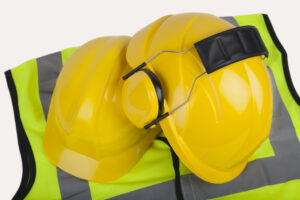 Control measures are always a mixture of equipment and ways of working to reduce exposure. The right combination is crucial. No measures, however practical, can work unless they are used properly. So, any ‘standard operating procedure’ should combine the right equipment with the right way of working. This means instructing, training, and supervising the workers who are doing the tasks. The COSHH regulations will give information on the law behind COSHH control measures.
You need control measures that work and continue to work – all day, every day. The HSE states the following control measures in order of priority:
- Eliminate the use of a harmful product or substance and use a safer one.
- Examine the Safety data sheets under COSHH
- Use a safer form of the product, e.g. paste rather than powder.
- Change the process to emit less of the substance.
- Enclose the process so that the product does not escape.
- Extract emissions of the substance near the source.
- Have as few workers in harm’s way as possible.
- Provide personal protective equipment (PPE) such as gloves, coveralls, and respirators. PPE must fit the wearer.
Control equipment comes in many forms. It includes ventilation to extract dust, mist and fume; glove boxes and fume cupboards; spray booths and refuges (clean rooms in dirty work areas). It also includes using water to reduce dust and systems for disinfecting cooling water.
For control equipment, your supplier should provide a ‘user manual’. If you don’t have one, ask for it. If this is impossible, you may need professional help to write one. The user manual should schedule checks, maintenance and parts replacement.
Once you have got control, you need to keep it. Employers must ensure that the control measures, including the equipment and the way of working, are working properly. You should name someone to be in charge of checking and maintaining control measures. It could be you or someone you appoint, as long as they know what they need to do and are able to do it. Two of the most common control measures where maintenance is critical are local exhaust ventilation (LEV) and PPE – personal protective equipment.
The post COSHH Control Measures appeared first on Online Health & Safety Training Courses | ProTrainings Europe.
]]>The post CHIP Regulations appeared first on Online Health & Safety Training Courses | ProTrainings Europe.
]]> CHIP is the abbreviated name for the Chemicals (Hazard Information and Packaging for Supply) Regulations. The CHIP regulations are being replaced by the European CLP Regulations and will be revoked from 1 June 2015.
The CHIP regulations implement two European Directives:
- The Dangerous Substances Directive (No. 67/548/EEC)
- The Dangerous Preparations Directive (No. 99/45/EC)
The 2009 CHIP regulations represent the fourth consolidating version of the regulations, earlier versions of which date back to the mid-1970s. In Northern Ireland, they have their own CHIP Regulations which are identical to those in GB.
CHIP helps to protect people and the environment from the ill effects of chemicals by requiring suppliers to identify the hazards of the chemicals they supply and to provide information about the chemicals’ hazards to their customers and package the chemicals safely.
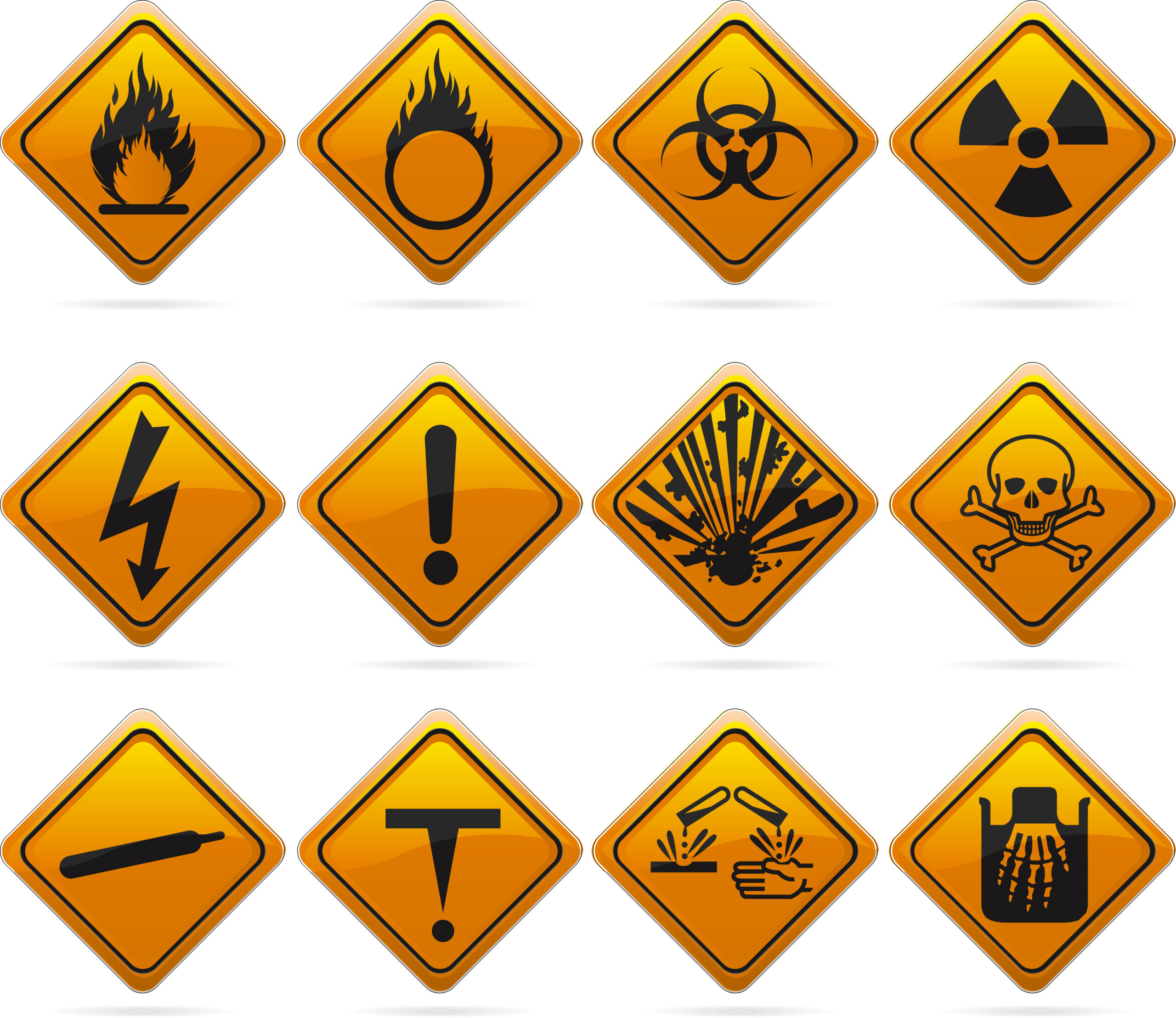
CHIP is well known by chemical suppliers, and many chemical users and consumers will also be familiar with the orange and black hazard symbols which have appeared on chemical products for many years. These symbols are also accompanied by warning and safety phrases that appear on CHIP hazard labels.
Examples of these risk and safety phrases are:
- Toxic by inhalation and if swallowed
- Very toxic to aquatic organisms
- Keep locked up and out of reach of children In case of contact with eyes, rinse immediately with plenty of water and seek medical advice
The Dangerous Substances Directive and the Dangerous Preparations Directive are being replaced by the direct-acting European CLP Regulation. From 1st June 2015, both directives will be fully withdrawn and will no longer have any legal effect and as a result, the CHIP Regulations will also be repealed.
There are transitional arrangements in place to help suppliers make the move to the CLP system and as from 1 June 2015, chemical suppliers must comply with the new CLP Regulations. If you would like more information gain a qualification on COSHH visit our COSHH course or the regulated COSHH course.
The post CHIP Regulations appeared first on Online Health & Safety Training Courses | ProTrainings Europe.
]]>The post European CLP Regulations appeared first on Online Health & Safety Training Courses | ProTrainings Europe.
]]> CLP Regulations or The European Regulation (EC) No 1272/2008 on classification, labelling and packaging of substances and mixtures came into force in all EU member states, including the UK, on 20 January 2010. The main goal of the CLP regulation is to:
- Adopt in the EU the Globally Harmonised System or GHS, on the classification and labelling of chemicals
- CLP regulation is being phased in through a transitional period which runs until 1 June 2015. The regulation applies to substances from 1 December 2010 and to mixtures or preparations, from 1 June 2015
- It will apply directly in all EU member states, meaning that no national legislation is needed and will be overseen by the European Chemicals Agency or the ECHA
- CLP will replace the Chemicals (Hazard Information and Packaging for Supply) Regulations 2009, also known as CHIP regulations as of 1 June 2015
The intention of the CLP Regulation is very similar to CHIP: substances and mixtures that are placed on the market should be classified, labelled and packaged appropriately. However, because CLP adopts the GHS, in time, the same classifications and labelling will be used throughout the world.
A few changes that are obvious will be the new hazard pictograms that are found on chemicals.
Although the CLP hazard pictograms are very similar to the CHIP hazard symbols, they have a new shape, design, and colour. The main symbols are as follows:
- Toxic – This can be if the substance is acute toxicity, very toxic or fatal
- Gas pressure – This shows gasses under pressure
- Irritation – Shows that the substance causes harmful skin irritation or serious eye irritation
- Flammable – The chemical is a flammable gas. Flammable liquids, solids, aerosols, organic peroxides, and self-reactive, self-heating substances that come into contact with water emit a flammable gas.
- Explosive – The product can be explosive, self-reactive or an organic peroxide.
- Harmful to the environment – This means it is harmful to the environment and aquatic life, which will cause long-term problems.
- Oxidising, the substance produces oxidising gases, oxidising liquids, and oxidising solids, which can intensify fires.
- Respiratory – The substance is a respiratory sensitiser, mutagen, carcinogen, reproductive toxicity, systemic target organ toxicity or an aspiration hazard.
- Corrosive – The corrosive substance can cause severe skin burns and eye damage.
There are some chemicals that are not covered by CLP as they have a more specialised purpose and are covered by more specific legislation.
The CLP Regulation does not apply to the following substances:
- Radioactive substances and mixtures
- Substances and mixtures are subject to customs supervision
- Non-isolated intermediaries
- Substances and mixtures for scientific research and development that are not placed on the market and are only used in controlled conditions are wasted.
The CLP Regulation also does not apply to the following chemicals which are in their finished state intended for the final user:
- Medicines
- Medical devices
- Veterinary medicines
- Cosmetics food or food additives, food flavouring and feeding stuff used in animal nutrition
The post European CLP Regulations appeared first on Online Health & Safety Training Courses | ProTrainings Europe.
]]>The post Radioactive substances appeared first on Online Health & Safety Training Courses | ProTrainings Europe.
]]>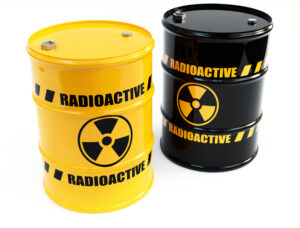 Radioactive substances come in radiation types and are used in a diverse range of industrial, medical, research and communications applications. Although these applications bring real benefits to people living in the UK, some can create potentially harmful exposure risks that must be effectively controlled.
The subject of radioactive substances is far larger than we can cover in this short video, but basically, there are two types of radiation that are an issue. Ionising and non-ionising radiation.
Ionising radiation occurs as either electromagnetic rays (such as X-rays and gamma rays) or particles (such as alpha and beta particles). If you intend to start work with ionising radiation for the first time, you need to let HSE know at least 28 days before you start work, and you must notify HSE if there are any material changes to the work details you previously notified us about.
To protect workers and members of the public from the effects of ionising radiation, dose limits are set at a level that balances the risk from exposure with the benefits of ionising radiation. Dose limits are intended to reduce the risk of serious effects occurring, such as cancer, and are in place to protect the eyes, skin and extremities against other forms of damage. Dose limits are defined in UK legislation and can be found in Schedule 4 of the Ionising Radiations Regulations 1999.
Non-ionising radiation (NIR) is the term used to describe the part of the electromagnetic spectrum covering two main regions, namely optical radiation (ultraviolet (UV), visible and infrared) and electromagnetic fields (EMFs) (power frequencies, microwaves and radio frequencies).
HSE’s policy on phone masts, particularly radio wave safety, in general, is guided by organisations such as the World Health Organisation, the International Commission on Non-Ionizing Radiation Protection and the Health Protection Agency. It is important that we understand and monitor any potential public health impact from radio waves. A great deal of research has been and continues to be undertaken. The weight of international evidence reviewed by these expert organisations indicates that there is no evidence of a direct link between harm or ill health from working or living close to phone masts.
The Health and Safety Executive (HSE) is the main public body that regulates work that causes or could cause radiation exposure to workers, the public, or both.
HSE’s inspectors advise, inspect, investigate and enforce in a flexible and proportionate way so that radiation exposure of employees and others arising from work activities is adequately controlled.
Finally, it is in the interests of both yourself and your baby to inform your employer as soon as you know you are pregnant. Your employer must know this to make any necessary changes to protection measures and apply the additional dose limits. You are not legally required to inform your employer and can choose to keep this private. However, if your employer is unaware that you are pregnant, they may be unable to take further action.
The post Radioactive substances appeared first on Online Health & Safety Training Courses | ProTrainings Europe.
]]>The post COSHH Regulations appeared first on Online Health & Safety Training Courses | ProTrainings Europe.
]]>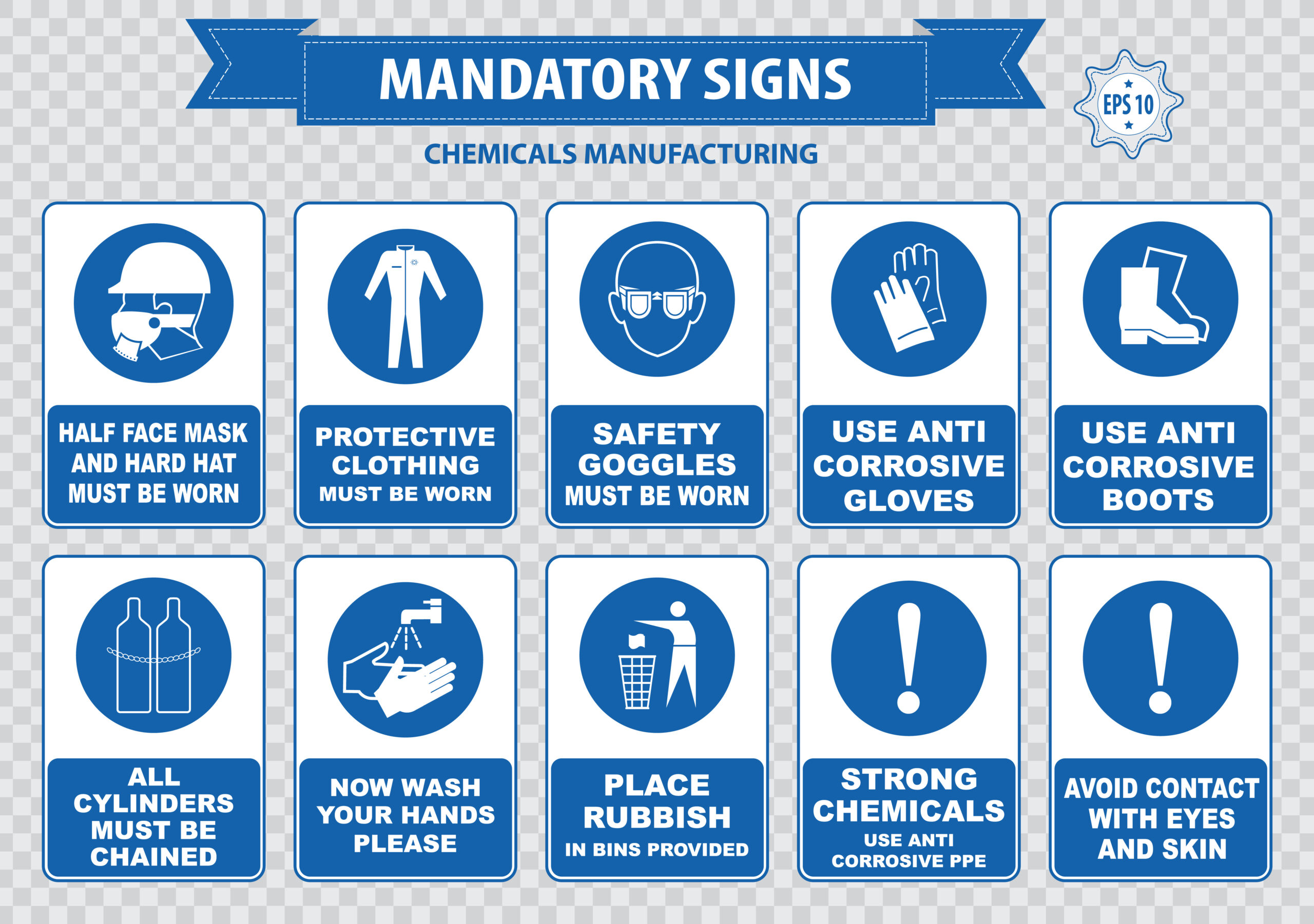 COSHH Regulations, or the full name, The Control of Substances Hazardous to Health Regulations 2002, provide information on what the law requires and advice on completing COSHH assessments. You must ensure that you are correctly assessing risks – high and low. These regulations are updated from time to time, and they were amended in 2004 and came into force in 2005.
The occupational use of materials is regulated under the Control of Substances Hazardous to Health (COSHH). COSHH is the law that requires employers to control substances that are hazardous to health. The law and guidance show how you can prevent or reduce workers’ exposure to hazardous substances by:
- Finding out what the health hazards are
- Deciding how to prevent harm to health (risk assessment)
- Providing control measures to reduce harm to health
- Making sure they are used
- Keeping all COSHH control measures in good working order
- Providing information, instruction and training for employees and others
- Providing monitoring and health surveillance in appropriate cases
- Planning for emergencies
Most businesses use substances or products that are mixtures of substances. Some processes create substances. These could cause harm to employees, contractors and other people.
Sometimes, substances are easily recognised as harmful. As a new technology or work process is designed, the risks of exposure associated with materials or substances may not be fully understood and extra precautions may be needed.
The post COSHH Regulations appeared first on Online Health & Safety Training Courses | ProTrainings Europe.
]]>The post Safety data sheets under COSHH appeared first on Online Health & Safety Training Courses | ProTrainings Europe.
]]> Safety data sheets are documents that give all the data on the product and are required under COSHH. The supplier must send you a data sheet when the product is first ordered, if the formulation changes, or if you ask for a sheet. If it is not dangerous to supply, the supplier should include instructions for safe use with the package.
Having safety data sheets does not replace a risk assessment but will give you vital information on the product and the unique hazards that it could cause. Having this data does not apply it to your workplace. For example, you may have a product and use it safely, then you mix it with another product or use it in a different way, and this changes the hazard and the risks it poses.
The post Safety data sheets under COSHH appeared first on Online Health & Safety Training Courses | ProTrainings Europe.
]]>