Construction Archives - Online Health & Safety Training Courses | ProTrainings Europe https://www.protrainings.uk/blog/category/construction/ Tue, 27 May 2025 14:49:48 +0000 en-GB hourly 1 https://wordpress.org/?v=6.8.3 Legal Requirements and Safety Guidelines for Abrasive Wheels https://www.protrainings.uk/blog/article/legal-requirements-and-safety-guidelines-for-abrasive-wheels/ Tue, 27 May 2025 14:49:42 +0000 http://localhost/pages/article/legal-requirements-and-safety-guidelines-for-abrasive-wheels/ The legal requirements for the use of abrasive wheels and power tools incorporating abrasive wheels in UK workplaces are governed by several regulations, including the Health and Safety at Work etc. Act 1974 (HSWA), the Provision and Use of Work Equipment Regulations 1998 (PUWER), the Personal Protective Equipment at Work Regulations 1992 (PPE), and the […]

The post Legal Requirements and Safety Guidelines for Abrasive Wheels appeared first on Online Health & Safety Training Courses | ProTrainings Europe.

]]>
The legal requirements for the use of abrasive wheels and power tools incorporating abrasive wheels in UK workplaces are governed by several regulations, including the Health and Safety at Work etc. Act 1974 (HSWA), the Provision and Use of Work Equipment Regulations 1998 (PUWER), the Personal Protective Equipment at Work Regulations 1992 (PPE), and the Control of Noise at Work Regulations 2005. These regulations aim to ensure the safe use of abrasive wheels and minimize the risk of accidents and injuries.

Legal requirements for abrasive wheels and power tools incorporating abrasive wheels in UK workplaces include:

  1. Suitability and maintenance: Employers must provide suitable abrasive wheels and power tools that are properly maintained and fit for their intended purpose.
  2. Operator training: Employers must ensure that all users of abrasive wheels and power tools have received adequate training, including specific training on the mounting, use, and maintenance of abrasive wheels.
  3. Risk assessment: Employers must conduct regular risk assessments to identify potential hazards associated with abrasive wheel use and implement appropriate control measures.
  4. Personal protective equipment (PPE): Employers must provide suitable PPE, such as safety goggles, gloves, face shields, and protective clothing, and ensure that employees use it correctly.

Examples of machines and tools incorporating abrasive wheels include:

  1. Angle grinders: Handheld power tools used for cutting, grinding, and polishing various materials, including metal, concrete, and stone.
  2. Bench grinders: Stationary machines used for grinding, sharpening, or shaping metal objects.
  3. Cut-off saws: Power tools used to make precise cuts in various materials, such as metal, wood, and masonry.

Dangers and potential accidents associated with abrasive wheel use:

  1. Eye injuries: Flying debris or sparks can cause eye injuries if proper eye protection is not worn.
  2. Cuts and abrasions: Contact with a rotating abrasive wheel can cause severe cuts, abrasions, or even amputations.
  3. Kickback: Abrasive wheels can catch on the material being cut, causing the tool to suddenly jerk and potentially injure the operator.
  4. Noise and vibration: Prolonged exposure to the noise and vibration produced by abrasive wheel tools can lead to hearing damage and hand-arm vibration syndrome (HAVS).

Prevention methods to avoid accidents:

  1. Provide comprehensive training on the safe use and maintenance of abrasive wheels and power tools.
  2. Use suitable PPE, such as safety goggles, gloves, face shields, and protective clothing.
  3. Establish clear safety guidelines and procedures, including proper mounting, use, and maintenance of abrasive wheels.
  4. Inspect and maintain abrasive wheels regularly to ensure they are in good condition and free from damage or defects.
  5. Maintain a safe working distance from other workers and bystanders during abrasive wheel operations.

By implementing these prevention methods and complying with legal requirements, employers can help maintain a safe work environment and minimize the risk of accidents and injuries associated with the use of abrasive wheels and power tools incorporating abrasive wheels in UK workplaces.

The post Legal Requirements and Safety Guidelines for Abrasive Wheels appeared first on Online Health & Safety Training Courses | ProTrainings Europe.

]]>
The Crucial Role of a Banksman in Workplace Vehicle Safety https://www.protrainings.uk/blog/article/the-crucial-role-of-a-banksman-in-workplace-vehicle-safety/ Tue, 27 May 2025 14:49:42 +0000 http://localhost/pages/article/the-crucial-role-of-a-banksman-in-workplace-vehicle-safety/ Introduction to the Role of a Banksman A banksman plays a vital role in the safe manoeuvring of vehicles, particularly large commercial ones such as lorries, by providing precise guidance and directions to drivers. This is especially critical during reversing operations where visibility and space constraints pose significant risks. Key Responsibilities and Safety Protocols Ensuring […]

The post The Crucial Role of a Banksman in Workplace Vehicle Safety appeared first on Online Health & Safety Training Courses | ProTrainings Europe.

]]>

Introduction to the Role of a Banksman

A banksman plays a vital role in the safe manoeuvring of vehicles, particularly large commercial ones such as lorries, by providing precise guidance and directions to drivers. This is especially critical during reversing operations where visibility and space constraints pose significant risks.

Key Responsibilities and Safety Protocols

Ensuring the safety of the surroundings during vehicle manoeuvres is a primary responsibility of the banksman. They must maintain clear, continuous communication with the driver, using established hand signals. The banksman should always be in the driver’s line of sight, and the driver must stop immediately if this visual contact is lost.

Before any manoeuvre, the banksman should assess the area for hazards, ensuring it’s free from obstacles and appropriately cordoned off. They need to be strategically positioned to have a full view of the vehicle’s path and remain visible to the driver.

Personal Protective Equipment (PPE)

Both the banksman and driver must wear appropriate PPE to enhance safety. The banksman should don high-visibility clothing and sturdy footwear, while the driver might require additional protective gear like a hard hat, depending on the environment.

Training and Competence

Effective training is crucial for a banksman. They must be well-versed in safe vehicle handling, familiar with standard signalling protocols, and aware of potential hazards. Regular training updates are necessary to ensure continued compliance with HSE guidelines and industry best practices.

Supplementary Safety MeasuresBeyond direct human guidance, other tools and technologies play a significant role in ensuring safety. The use of CCTV, mirrors, and clear signage enhances visibility and situational awareness. Planning and communication are integral to the process, and a cautious approach is always advised. If there’s any doubt during a manoeuvre, the protocol is to stop immediately and reassess the situation.

Conclusion

The banksman’s role is critical in managing vehicle movements in UK workplaces. Adhering to HSE guidelines, ensuring proper training, and using additional safety tools are essential for minimising risks associated with vehicle manoeuvres, particularly in reversing large commercial vehicles like lorries. A proactive approach to safety and continuous training are key to maintaining a safe working environment.

The post The Crucial Role of a Banksman in Workplace Vehicle Safety appeared first on Online Health & Safety Training Courses | ProTrainings Europe.

]]>
Comprehensive Guide to Understanding and Preventing Suspension Trauma in the Workplace https://www.protrainings.uk/blog/article/comprehensive-guide-to-understanding-and-preventing-suspension-trauma-in-the-workplace/ Tue, 27 May 2025 14:49:03 +0000 http://localhost/pages/article/comprehensive-guide-to-understanding-and-preventing-suspension-trauma-in-the-workplace/ Understanding Suspension Trauma and Its Effects on the Body Suspension trauma also referred to as orthostatic intolerance, is a critical condition that can occur when an individual remains suspended in a harness for an extended duration, often following a fall arrest incident. In such scenarios, blood may accumulate in the legs due to gravity, leading […]

The post Comprehensive Guide to Understanding and Preventing Suspension Trauma in the Workplace appeared first on Online Health & Safety Training Courses | ProTrainings Europe.

]]>

Understanding Suspension Trauma and Its Effects on the Body

Suspension trauma also referred to as orthostatic intolerance, is a critical condition that can occur when an individual remains suspended in a harness for an extended duration, often following a fall arrest incident. In such scenarios, blood may accumulate in the legs due to gravity, leading to inadequate circulation and a reduced oxygen supply to the brain and other vital organs. This situation can result in symptoms like dizziness, fainting, and, in severe cases, potentially life-threatening complications if not immediately addressed.

Essential First Aid Measures for Suspension Trauma

Addressing suspension trauma requires prompt and effective first aid responses, including quick evaluation of the suspended person’s condition. If they are conscious, it is important to reassure them while encouraging leg movement to maintain alertness. A swift rescue is crucial to reduce the time spent in suspension, thereby preventing serious complications. After a careful descent, the individual should be placed in the recovery position to enhance circulation and prevent choking. Even if the person seems to have recovered, immediate medical attention is necessary to evaluate any underlying complications.

Immediate and Long-Term Health Impacts of Suspension Trauma

Individuals exposed to suspension trauma may experience immediate health effects such as dizziness, confusion, fainting, nausea, and vomiting, along with pain and numbness in the legs. If not promptly and effectively managed, suspension trauma can lead to severe long-term health consequences, including kidney failure due to insufficient blood flow, compartment syndrome requiring potential surgical intervention, and neurological damage that can result in lasting nerve damage or paralysis.

Preventing Suspension Trauma in the Workplace

To mitigate the risks associated with suspension trauma, workplaces should adopt comprehensive prevention strategies. This includes implementing robust fall prevention measures like guardrails and safety nets to lower the likelihood of falls significantly. Select the right type of harnesses, ideally ones with padding and features designed to counteract the effects of suspension trauma, such as built-in leg straps for pressure relief. Providing workers with thorough training on using fall protection equipment and the risks associated with suspension trauma is essential. Developing a detailed rescue plan with the necessary training and equipment ensures a prompt and effective response during a fall arrest. Additionally, a buddy system can be highly effective, as it allows workers to continuously monitor each other and rapidly respond to any emergency situations that may arise.

Published by ProTrainings Europe Ltd. For more insights on workplace safety and risk management, visit our blog.

The post Comprehensive Guide to Understanding and Preventing Suspension Trauma in the Workplace appeared first on Online Health & Safety Training Courses | ProTrainings Europe.

]]>
Legal Requirements and Safety Guidelines for Handheld Power Tools https://www.protrainings.uk/blog/article/legal-requirements-and-safety-guidelines-for-handheld-power-tools/ Tue, 27 May 2025 14:49:03 +0000 http://localhost/pages/article/legal-requirements-and-safety-guidelines-for-handheld-power-tools/ The legal requirements for the use of handheld power tools in UK workplaces are governed by several regulations, including the Health and Safety at Work etc. Act 1974 (HSWA), the Provision and Use of Work Equipment Regulations 1998 (PUWER), and the Personal Protective Equipment at Work Regulations 1992 (PPE). These regulations aim to ensure that […]

The post Legal Requirements and Safety Guidelines for Handheld Power Tools appeared first on Online Health & Safety Training Courses | ProTrainings Europe.

]]>
The legal requirements for the use of handheld power tools in UK workplaces are governed by several regulations, including the Health and Safety at Work etc. Act 1974 (HSWA), the Provision and Use of Work Equipment Regulations 1998 (PUWER), and the Personal Protective Equipment at Work Regulations 1992 (PPE). These regulations aim to ensure that handheld power tools are used safely and efficiently to minimize the risk of accidents and injuries.

Legal requirements for handheld power tools in UK workplaces include:

  1. Suitability and maintenance: Employers must provide suitable power tools that are properly maintained and fit for their intended purpose.
  2. Operator training: Employers must ensure that all users of handheld power tools have received adequate training and are competent in using the specific tools they operate.
  3. Risk assessment: Employers must conduct regular risk assessments to identify potential hazards associated with handheld power tool use and implement appropriate control measures.
  4. Personal protective equipment (PPE): Employers must provide suitable PPE, such as safety goggles, gloves, and hearing protection, and ensure that employees use it correctly.

Examples of handheld power tool types include:

  1. Drills: Electric or cordless drills are commonly used for drilling holes in various materials, such as wood, metal, and concrete.
  2. Circular saws: These power tools are used for cutting straight lines through materials like wood, metal, or plastic.
  3. Angle grinders: Angle grinders are versatile tools used for cutting, grinding, and polishing various materials, including metal, concrete, and stone.
  4. Reciprocating saws: These saws are used for cutting materials in tight spaces or for making curved cuts in wood, metal, or plastic.

Dangers and potential accidents associated with handheld power tool use:

  1. Cuts and abrasions: Users can suffer cuts or abrasions if they come into contact with the moving parts of a power tool or if the tool slips during use.
  2. Eye injuries: Flying debris or particles generated during power tool use can cause eye injuries if proper eye protection is not worn.
  3. Hearing damage: Prolonged exposure to the noise generated by handheld power tools can lead to hearing damage if appropriate hearing protection is not used.
  4. Electric shock: Users can suffer an electric shock if a power tool is damaged, improperly maintained, or used in wet conditions.

To ensure compliance with legal requirements and maintain a safe work environment, employers should provide comprehensive training on handheld power tool use, establish clear safety guidelines, and promote a culture of safety awareness among employees.

The post Legal Requirements and Safety Guidelines for Handheld Power Tools appeared first on Online Health & Safety Training Courses | ProTrainings Europe.

]]>
Legal Requirements and Safety Practices for Welding Equipment https://www.protrainings.uk/blog/article/legal-requirements-and-safety-practices-for-welding-equipment/ Tue, 27 May 2025 14:49:03 +0000 http://localhost/pages/article/legal-requirements-and-safety-practices-for-welding-equipment/ Title: Legal Requirements and Safety Practices for Welding Equipment in UK Workplaces Meta Description: Explore the to ensure a safe and compliant work environment. Keywords: welding equipment, UK workplaces, legal requirements, types of welding machines, dangers, accidents, safety practices The legal requirements for the use of welding equipment in UK workplaces are governed by several […]

The post Legal Requirements and Safety Practices for Welding Equipment appeared first on Online Health & Safety Training Courses | ProTrainings Europe.

]]>
Title: Legal Requirements and Safety Practices for Welding Equipment in UK Workplaces

Meta Description: Explore the to ensure a safe and compliant work environment.

Keywords: welding equipment, UK workplaces, legal requirements, types of welding machines, dangers, accidents, safety practices

The legal requirements for the use of welding equipment in UK workplaces are governed by several regulations, including the Health and Safety at Work etc. Act 1974 (HSWA), the Provision and Use of Work Equipment Regulations 1998 (PUWER), the Control of Substances Hazardous to Health Regulations 2002 (COSHH), and the Personal Protective Equipment at Work Regulations 1992 (PPE). These regulations aim to ensure that welding equipment is used safely to minimize the risk of accidents and injuries.

Legal requirements for welding equipment in UK workplaces include:

  1. Suitability and maintenance: Employers must provide suitable welding equipment that is properly maintained and fit for its intended purpose.
  2. Operator training: Employers must ensure that all users of welding equipment have received adequate training and are competent in using the specific equipment they operate.
  3. Risk assessment: Employers must conduct regular risk assessments to identify potential hazards associated with welding equipment use and implement appropriate control measures.
  4. Personal protective equipment (PPE): Employers must provide suitable PPE, such as welding helmets, gloves, and protective clothing, and ensure that employees use it correctly.
  5. Ventilation and fume control: Employers must ensure that adequate ventilation and fume control measures are in place to protect workers from hazardous welding fumes.

Examples of welding machine types include:

  1. Gas Metal Arc Welding (GMAW): Also known as MIG welding, this process uses a continuously-fed wire electrode and a shielding gas to create welds on various metals.
  2. Gas Tungsten Arc Welding (GTAW): Also known as TIG welding, this process uses a non-consumable tungsten electrode and a shielding gas to create high-quality welds on metals like stainless steel, aluminium, and copper.
  3. Shielded Metal Arc Welding (SMAW): Also known as stick welding, this process uses a consumable electrode coated with flux to create welds on a wide range of metals.

Dangers and potential accidents associated with welding equipment use:

  1. Burns and fire hazards: Welders can suffer burns from hot welding equipment, sparks, or molten metal, and fires can occur if flammable materials are present near the welding area.
  2. Eye injuries: Exposure to the intense ultraviolet and infrared light produced during welding can cause arc eye or welder’s flash, a painful eye condition that can result in temporary or permanent vision damage.
  3. Inhalation of toxic fumes: Welding fumes can contain harmful substances such as metal fumes, gases, and particulates, which can cause respiratory issues, metal fume fever, or other health problems.
  4. Electric shock: Welders can suffer an electric shock if welding equipment is damaged, improperly maintained, or used in wet conditions.

To ensure compliance with legal requirements and maintain a safe work environment, employers should provide comprehensive training on welding equipment use, establish clear safety guidelines, and promote a culture of safety awareness among employees.

The post Legal Requirements and Safety Practices for Welding Equipment appeared first on Online Health & Safety Training Courses | ProTrainings Europe.

]]>
Electrical safety at work https://www.protrainings.uk/blog/article/electrical-safety-at-work/ Tue, 27 May 2025 14:45:55 +0000 http://localhost/pages/article/electrical-safety-at-work/ Electrical safety is something we must not take for granted. You cannot see electricity but it can be fatal, injure, cause fires and damage property. Electrical hazards come from all types of electricity, batteries, generators, single-phase mains, three-phase mains power, static and lightning. All these can cause serious harm or death. Generally the greater the […]

The post Electrical safety at work appeared first on Online Health & Safety Training Courses | ProTrainings Europe.

]]>
Electrical safetyElectrical safety is something we must not take for granted. You cannot see electricity but it can be fatal, injure, cause fires and damage property.
Electrical hazards come from all types of electricity, batteries, generators, single-phase mains, three-phase mains power, static and lightning. All these can cause serious harm or death.

Generally the greater the risk of injury will come from the higher the amount of shock but even a battery can cause a serious fire.  Both alternating current (AC) and Direct Current (DC) electrical supplies can cause a range of injuries.

Finally, some battery packs are very heavy so you need to be aware of correct manual handling techniques.


The post Electrical safety at work appeared first on Online Health & Safety Training Courses | ProTrainings Europe.

]]>
Permit to Work https://www.protrainings.uk/blog/article/permit-to-work/ Tue, 27 May 2025 14:43:48 +0000 http://localhost/pages/article/permit-to-work/ Understanding the Permit to Work Procedure in High-Risk Industries The permit to work procedure is a critical safety protocol originally developed in the chemical industry. Its principles and procedures are applicable in managing complex risks across various industries. The core principle mandates that specific operations can only proceed with the express permission of a responsible […]

The post Permit to Work appeared first on Online Health & Safety Training Courses | ProTrainings Europe.

]]>

Understanding the Permit to Work Procedure in High-Risk Industries

The permit to work procedure is a critical safety protocol originally developed in the chemical industry. Its principles and procedures are applicable in managing complex risks across various industries. The core principle mandates that specific operations can only proceed with the express permission of a responsible manager after ensuring all necessary precautions are in place for safe work execution.

Key Aspects of Permit to Work

When work is identified as high-risk, stringent controls are imposed. Individuals involved in the work are responsible for adhering to the safety measures outlined in the permit. These measures prevent unauthorised activities and ensure that the job is done safely. Continuous training and monitoring are essential to maintain the effectiveness of this system.

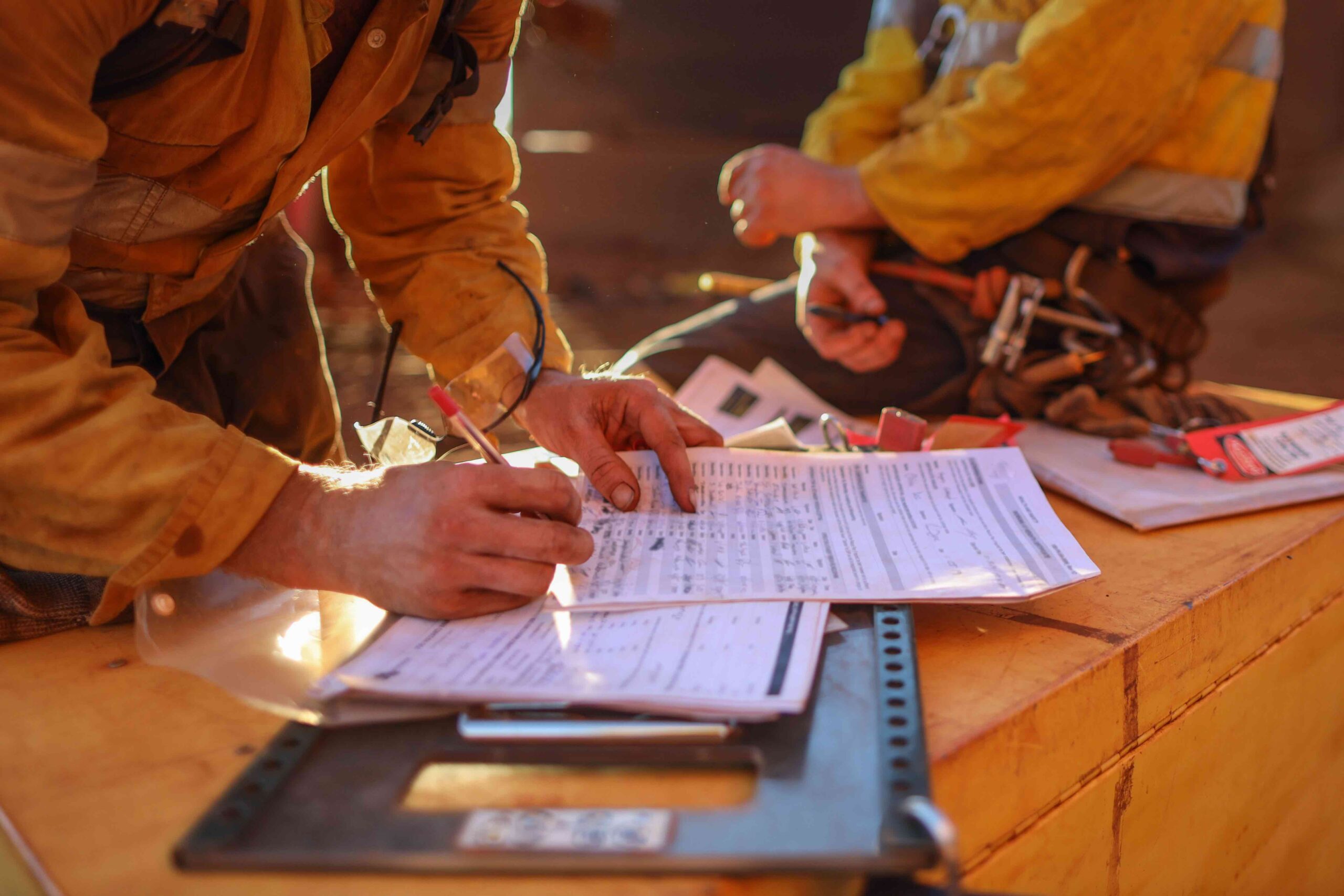
Permit to work

Components of a Permit to Work Document

A typical permit to work document will specify the nature of the work, the authorised personnel, work location, identified risks, existing safety measures, potential hazards, required precautions, and the permit’s validity duration.

Applications and Responsibilities

Permits are often required for tasks like working in confined spaces, railway work, handling asbestos, roofing, and any work involving naked flames. The person overseeing the authorised work is tasked with signing off the pPermit to workermit, confirming completion and safe re-acceptance of the site or machinery.

 

The post Permit to Work appeared first on Online Health & Safety Training Courses | ProTrainings Europe.

]]>
Lead and its dangers https://www.protrainings.uk/blog/article/lead-and-its-dangers/ Tue, 27 May 2025 14:43:48 +0000 http://localhost/pages/article/lead-and-its-dangers/ Lead does not come under the COSHH regulations. There are separate regulations covering Lead and the problems caused by lead. Problems with lead are not just in construction but lead products can be found in all workplaces. There are many works in industrial processes which create lead dust, fume or vapour. Some processes include: Stripping […]

The post Lead and its dangers appeared first on Online Health & Safety Training Courses | ProTrainings Europe.

]]>
LeadLead does not come under the COSHH regulations. There are separate regulations covering Lead and the problems caused by lead. Problems with lead are not just in construction but lead products can be found in all workplaces.

There are many works in industrial processes which create lead dust, fume or vapour. Some processes include:

  • Stripping of old lead paint from doors, windows
  • Recovering lead from scrap and waste
  • Lead-acid battery manufacture and recycling
  • Manufacturing leaded glass; manufacturing and using pigments, colours and ceramic glazes; working with metallic lead and alloys containing lead, for example, soldering; Some painting of buildings or vehicles
  • Recycling of televisions or computer monitors which contain Cathode Ray Tubes

Some ways your body absorbs lead are:

  • Breathe in lead dust fume or vapour
  • Swallow any lead, for example, if you eat, drink, smoke or bite your nails without washing your hands and face. There are different ways that you should do to protect your health:
  • Make sure you have all of the information and training you need to work safely with lead
  • Use all of the equipment provided by your employer and follow the instructions for use
  • Make sure all protective equipment fits correctly and is in good condition
  • Clear up and get rid of any lead waste at the end of the day
  • Wear any necessary personal protective equipment or clothing and return it to the proper place provided by your employer and report any damaged PPE
  • Only eat and drink in designated areas that are free from lead contamination and wash your hands and face and scrub your nails before eating.


Employers have responsibilities as well, these include:

  • Make suitable and sufficient risk assessments
  • Identify and implement control measures
  • Record the significant findings of the risk assessment
  • Introduce control measures and carry out air monitoring if exposure is ‘significant’
  • Introduce control measures to ensure that the amount of lead in the air in the breathing zone of an employee does not exceed the appropriate Occupational Workplace Exposure Limit
  • Ensure high standards of personal hygiene and provide suitable and sufficient washing facilities.
  • Provide clean areas for employees to eat and drink
  • Place employees under medical surveillance if exposure is ‘significant’

If the action level is reached or exceeded, an employer must carry out an urgent investigation to find out why and review control measures.

The post Lead and its dangers appeared first on Online Health & Safety Training Courses | ProTrainings Europe.

]]>
Vibration at Work https://www.protrainings.uk/blog/article/vibration-at-work/ Tue, 27 May 2025 14:43:48 +0000 http://localhost/pages/article/vibration-at-work/ Vibration at Work is a problem that can cause short and long-term injuries to employees.  It can cause damage to hands, fingers and any other part of the body.  It includes the use of power tools and being on a machine like a digger when your whole body is vibrated. The correct names for the two types of […]

The post Vibration at Work appeared first on Online Health & Safety Training Courses | ProTrainings Europe.

]]>
Vibration at WorkVibration at Work is a problem that can cause short and long-term injuries to employees.  It can cause damage to hands, fingers and any other part of the body.  It includes the use of power tools and being on a machine like a digger when your whole body is vibrated.

The correct names for the two types of vibration at work are Whole-body vibration (WBV) and Hand-arm vibration. The correct risk assessment will identify hazards in the workplace and how to control them.

The post Vibration at Work appeared first on Online Health & Safety Training Courses | ProTrainings Europe.

]]>