H&S information Archives - Online Health & Safety Training Courses | ProTrainings Europe https://www.protrainings.uk/blog/category/hs-information/ Tue, 27 May 2025 14:49:42 +0000 en-GB hourly 1 https://wordpress.org/?v=6.8.3 Legal Requirements and Safety Measures for Pressure Washers in UK Workplaces https://www.protrainings.uk/blog/article/legal-requirements-and-safety-measures-for-pressure-washers-in-uk-workplaces/ Tue, 27 May 2025 14:49:42 +0000 http://localhost/pages/article/legal-requirements-and-safety-measures-for-pressure-washers-in-uk-workplaces/ The legal requirements for the use of pressure washers and high-pressure cleaning equipment in UK workplaces are governed by several regulations, including the Health and Safety at Work etc. Act 1974 (HSWA), the Provision and Use of Work Equipment Regulations 1998 (PUWER), and the Personal Protective Equipment at Work Regulations 1992 (PPE). These regulations aim […]

The post Legal Requirements and Safety Measures for Pressure Washers in UK Workplaces appeared first on Online Health & Safety Training Courses | ProTrainings Europe.

]]>
The legal requirements for the use of pressure washers and high-pressure cleaning equipment in UK workplaces are governed by several regulations, including the Health and Safety at Work etc. Act 1974 (HSWA), the Provision and Use of Work Equipment Regulations 1998 (PUWER), and the Personal Protective Equipment at Work Regulations 1992 (PPE). These regulations aim to ensure that pressure washers and high-pressure cleaning equipment are used safely to minimize the risk of accidents and injuries.

Legal requirements for pressure washers and high-pressure cleaning equipment in UK workplaces include:

  1. Suitability and maintenance: Employers must provide suitable pressure washers and high-pressure cleaning equipment that is properly maintained and fit for its intended purpose.
  2. Operator training: Employers must ensure that all users of pressure washers and high-pressure cleaning equipment have received adequate training and are competent in using the specific equipment they operate.
  3. Risk assessment: Employers must conduct regular risk assessments to identify potential hazards associated with a pressure washer and high-pressure cleaning equipment use and implement appropriate control measures.
  4. Personal protective equipment (PPE): Employers must provide suitable PPE, such as goggles, gloves, and protective clothing, and ensure that employees use it correctly.

Examples of pressure washers and high-pressure cleaning equipment types include:

  1. Electric pressure washers: These machines use an electric motor to power a high-pressure water pump, making them suitable for light to medium cleaning tasks.
  2. Gas-powered pressure washers: These machines use a gasoline engine to power a high-pressure water pump, providing more power for heavy-duty cleaning tasks.
  3. Hot water pressure washers: These machines heat the water before it is expelled under high pressure, making them ideal for cleaning oily or greasy surfaces.

Dangers and potential accidents associated with a pressure washer and high-pressure cleaning equipment use:

  1. Injuries from high-pressure water: The force of high-pressure water can cause severe injuries, including cuts, abrasions, and even amputations if it comes into contact with the skin.
  2. Slips, trips, and falls: Wet surfaces can create slip and trip hazards, leading to falls and potential injuries.
  3. Electric shock: Users can suffer an electric shock if a pressure washer is damaged, improperly maintained, or used in wet conditions without proper grounding.
  4. Eye injuries: High-pressure water and debris can cause eye injuries if proper eye protection is not worn.

Prevention methods to avoid accidents:

  1. Provide comprehensive training on the safe operation and maintenance of pressure washers and high-pressure cleaning equipment.
  2. Use suitable PPE, such as safety goggles, gloves, and protective clothing.
  3. Establish clear safety guidelines and procedures, including proper set-up, use, and shut-down of equipment.
  4. Keep work areas clean and free of trip hazards.
  5. Use caution when working on wet surfaces and ensure adequate signage is in place to warn of potential slip hazards.

By implementing these prevention methods and complying with legal requirements, employers can help maintain a safe work environment and minimize the risk of accidents and injuries associated with pressure washers and high-pressure cleaning equipment use.

The post Legal Requirements and Safety Measures for Pressure Washers in UK Workplaces appeared first on Online Health & Safety Training Courses | ProTrainings Europe.

]]>
Safety Precautions for Chainsaws in UK Workplaces and Forestry https://www.protrainings.uk/blog/article/safety-precautions-for-chainsaws-in-uk-workplaces-and-forestry/ Tue, 27 May 2025 14:49:42 +0000 http://localhost/pages/article/safety-precautions-for-chainsaws-in-uk-workplaces-and-forestry/ The legal requirements for the use of chainsaws in UK workplaces and forestry are governed by several regulations, including the Health and Safety at Work etc. Act 1974 (HSWA), the Provision and Use of Work Equipment Regulations 1998 (PUWER), the Personal Protective Equipment at Work Regulations 1992 (PPE), and the Management of Health and Safety […]

The post Safety Precautions for Chainsaws in UK Workplaces and Forestry appeared first on Online Health & Safety Training Courses | ProTrainings Europe.

]]>
The legal requirements for the use of chainsaws in UK workplaces and forestry are governed by several regulations, including the Health and Safety at Work etc. Act 1974 (HSWA), the Provision and Use of Work Equipment Regulations 1998 (PUWER), the Personal Protective Equipment at Work Regulations 1992 (PPE), and the Management of Health and Safety at Work Regulations 1999. These regulations aim to ensure that chainsaws are used safely to minimise the risk of accidents and injuries.

Legal requirements for chainsaws in UK workplaces and forestry include:

  1. Suitability and maintenance: Employers must provide suitable chainsaws that are properly maintained and fit for their intended purpose.
  2. Operator training: Employers must ensure that all users of chainsaws have received adequate training and hold relevant qualifications, such as the NPTC (National Proficiency Tests Council) Certificate of Competence.
  3. Risk assessment: Employers must conduct regular risk assessments to identify potential hazards associated with chainsaw use and implement appropriate control measures.
  4. Personal protective equipment (PPE): Employers must provide suitable PPE, such as chainsaw trousers, gloves, safety boots, hearing protection, and safety helmets, and ensure that employees use it correctly.

Examples of chainsaw types include:

  1. Gas-powered chainsaws: These chainsaws use a gasoline engine to power the cutting chain and are ideal for heavy-duty cutting tasks, such as tree felling and logging.
  2. Electric chainsaws: These chainsaws use an electric motor to power the cutting chain and are suitable for lighter cutting tasks, such as trimming branches and small tree removal.
  3. Battery-powered chainsaws: These chainsaws use rechargeable batteries to power the cutting chain, offering cordless operation and reduced noise levels, making them ideal for light to medium cutting tasks.

Dangers and potential accidents associated with chainsaw use:

  1. Cuts and amputations: Chainsaw operators can suffer severe cuts, lacerations, or even amputations if they come into contact with the moving chain.
  2. Kickback: This occurs when the chainsaw’s chain catches on an object, causing the saw to suddenly jerk back towards the operator, which can lead to severe injuries.
  3. Falling objects: Tree limbs or entire trees can fall unexpectedly during chainsaw operations, posing a risk of injury to the operator and bystanders.
  4. Noise and vibration: Prolonged exposure to the noise and vibration produced by chainsaws can lead to hearing damage and hand-arm vibration syndrome (HAVS).

Prevention methods to avoid accidents:

  1. Provide comprehensive training and ensure operators hold relevant qualifications for chainsaw use.
  2. Use suitable PPE, such as chainsaw trousers, gloves, safety boots, hearing protection, and safety helmets.
  3. Establish and follow clear safety guidelines and procedures for chainsaw operations, including proper maintenance, refuelling, and tree-felling techniques.
  4. Maintain a safe working distance from other workers and bystanders during chainsaw operations.
  5. Use caution and follow best practices when felling trees, including assessing the tree’s condition, planning the felling direction, and creating escape routes.

By implementing these prevention methods and complying with legal requirements, employers can help maintain a safe work environment and minimise the risk of accidents and injuries associated with chainsaw use in UK workplaces and forestry.

The post Safety Precautions for Chainsaws in UK Workplaces and Forestry appeared first on Online Health & Safety Training Courses | ProTrainings Europe.

]]>
Safety Guidelines for Forklift Trucks https://www.protrainings.uk/blog/article/safety-guidelines-for-forklift-trucks/ Tue, 27 May 2025 14:49:03 +0000 http://localhost/pages/article/safety-guidelines-for-forklift-trucks/ In the United Kingdom, the legal requirements for using forklift trucks in the workplace are governed by several regulations, including the Health and Safety at Work etc. Act 1974 (HSWA), the Provision and Use of Work Equipment Regulations 1998 (PUWER), and the Lifting Operations and Lifting Equipment Regulations 1998 (LOLER). These regulations aim to ensure […]

The post Safety Guidelines for Forklift Trucks appeared first on Online Health & Safety Training Courses | ProTrainings Europe.

]]>
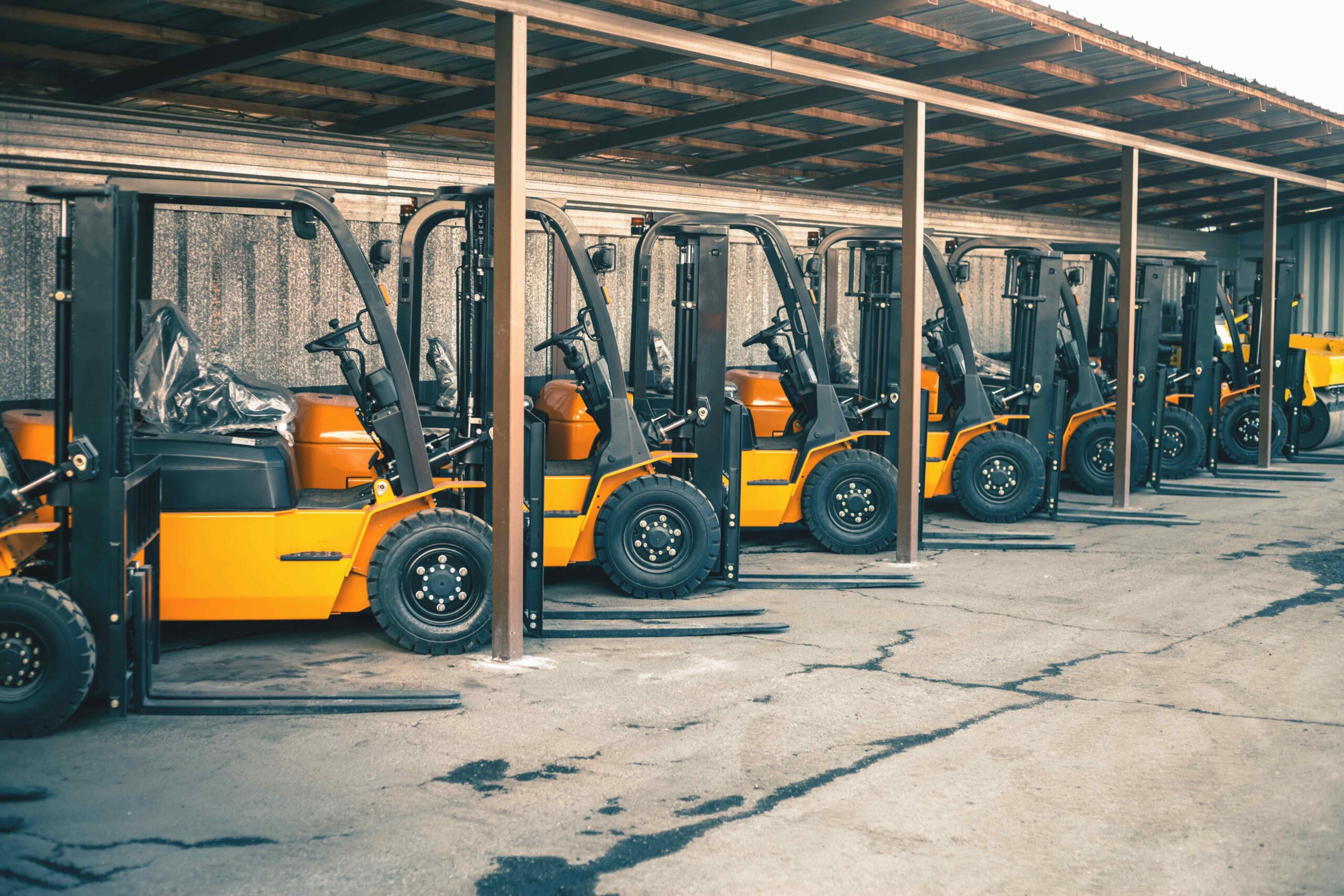
Forklift TrucksIn the United Kingdom, the legal requirements for using forklift trucks in the workplace are governed by several regulations, including the Health and Safety at Work etc. Act 1974 (HSWA), the Provision and Use of Work Equipment Regulations 1998 (PUWER), and the Lifting Operations and Lifting Equipment Regulations 1998 (LOLER). These regulations aim to ensure that forklifts are operated safely and efficiently to minimize the risk of accidents and injuries.
Legal requirements for forklift use in UK workplaces include:

  1. Operator training: Employers must ensure that all forklift operators have received adequate training and are competent in using the specific type of forklift they will operate.
  2. Equipment maintenance: Forklift trucks must be regularly inspected, maintained, and kept in good working order, with records of these activities retained.
  3. Safe operation: Employers must establish safe systems of work for forklift use, including speed limits, pedestrian exclusion zones, and proper loading and unloading procedures.
  4. Risk assessment: Employers must conduct regular risk assessments to identify potential hazards associated with forklift use and implement appropriate control measures.

Examples of forklift types include:

  1. Counterbalance forklifts: These are the most common type of forklift, characterized by a counterweight at the rear to balance the load.
  2. Reach trucks: These forklifts are designed for use in narrow aisles and feature a mast that can extend to reach high shelves.
  3. Side loaders: These forklifts are designed to pick up long or wide loads from the side, making them suitable for handling timber, piping, or sheet materials.


Forklift Trucks

Dangers and potential accidents associated with forklift use:

  1. Overturning: Forklifts can tip over if they are overloaded or if loads are lifted too high or unevenly distributed.
  2. Collisions: Accidents can occur when forklifts collide with other vehicles, objects, or pedestrians due to poor visibility, excessive speed, or operator error.
  3. Falling loads: Loads can fall from forklifts if they are not properly secured or if the forklift is operated carelessly, causing injuries or damage to property.
  4. Entrapment: Operators or pedestrians can become trapped between the forklift and another object, leading to serious injuries.

To ensure compliance with legal requirements and maintain a safe work environment, employers should provide comprehensive forklift training, establish clear safety guidelines, and promote a culture of safety awareness among employees.

The post Safety Guidelines for Forklift Trucks appeared first on Online Health & Safety Training Courses | ProTrainings Europe.

]]>
Mezzanine Floors https://www.protrainings.uk/blog/article/mezzanine-floors/ Tue, 27 May 2025 14:49:03 +0000 http://localhost/pages/article/mezzanine-floors/ Legal and Safety Guide for Mezzanine Floors in UK Workplaces Mezzanine floors, intermediate tiers introduced within existing structures, serve to augment workspace, storage, or office areas. In the UK, these floors must adhere to a set of stringent HSE regulations to guarantee safety and minimise risks. These regulations include the Health and Safety at Work […]

The post Mezzanine Floors appeared first on Online Health & Safety Training Courses | ProTrainings Europe.

]]>
Legal and Safety Guide for Mezzanine Floors in UK Workplaces
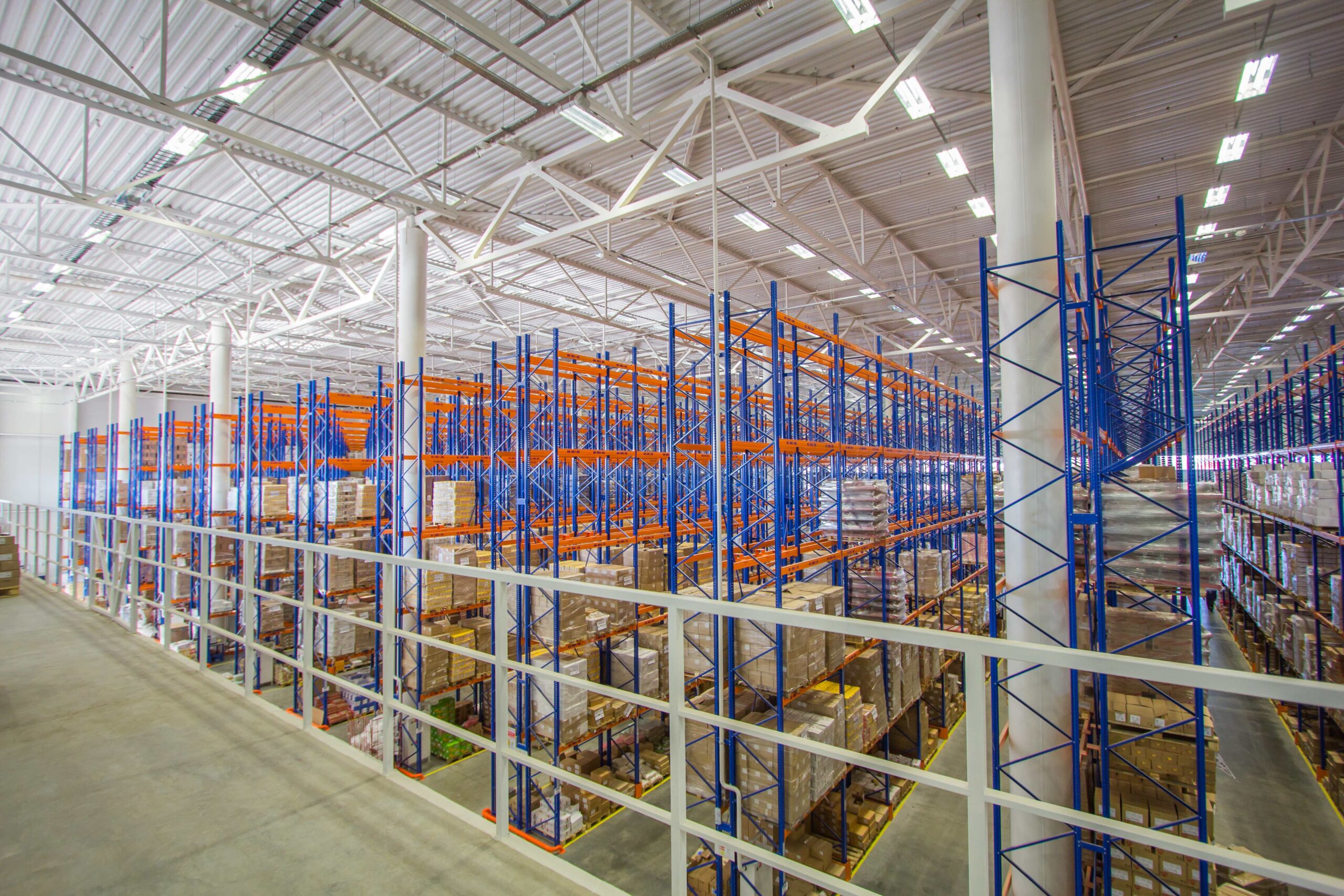
Mezzanine floors, intermediate tiers introduced within existing structures, serve to augment workspace, storage, or office areas. In the UK, these floors must adhere to a set of stringent HSE regulations to guarantee safety and minimise risks. These regulations include the Health and Safety at Work etc. Act 1974, the Building Regulations 2010, and the Workplace (Health, Safety, and Welfare) Regulations 1992.mezanine floor

Key Legal Stipulations for Mezzanine Floors

  1. Planning and Building Compliance: Essential for seeking planning permission and adhering to building regulations, ensuring fire safety, structural integrity, and adequate access.
  2. Safe Design and Assembly: Design and installation by professionals, considering load capacity, flooring material, and accessibility.
  3. Regular Inspection and Upkeep: Frequent inspections and maintenance to ensure prime condition and safety.
  4. Operational Safety Measures: Establishing safe operational practices and adequate employee training.
  5. Risk Evaluation: Continuous risk assessments to spot and mitigate potential hazards.

Types of Mezzanine Floors

  • Structural Mezzanines: Used in industrial or warehouse environments for extra storage or work areas.
  • Modular Mezzanines: Pre-fabricated and adjustable, suitable for temporary or adaptable workspaces.
  • Office Mezzanines: Crafted to create additional office space, an economical alternative to new constructions.

Hazards Associated with Mezzanine Floors

  • Falls: Risks of falls due to lack of safety barriers.
  • Overloading: Potential structural breaches or collapse due to overloading.
  • Slips, Trips, and Falls: Accidents caused by unmaintained or slippery surfaces.
  • Falling Objects: Risks from improperly secured items on these floors.

The post Mezzanine Floors appeared first on Online Health & Safety Training Courses | ProTrainings Europe.

]]>