The post Manual handling stats injuries appeared first on Online Health & Safety Training Courses | ProTrainings Europe.
]]> Manual handling is a common task in many workplaces across the UK. However, poor manual handling techniques can lead to injuries and musculoskeletal disorders, which can have a significant impact on the health and well-being of employees.
According to the Health and Safety Executive, manual handling is the cause of around 20% of all workplace injuries in the UK. These injuries can include musculoskeletal disorders, sprains, strains, and fractures, which can result in significant pain and discomfort for employees.
The most common types of injuries caused by poor manual handling in the workplace are musculoskeletal disorders, which include injuries to the back, neck, shoulders, and upper limbs. These types of injuries are often caused by lifting heavy objects, repetitive motions, and awkward postures. They can lead to long-term health problems, which can have a significant impact on an employee’s quality of life and ability to work.
The HSE also reports that in 2019/2020, there were 21,000 work-related musculoskeletal disorder cases reported under the Reporting of Injuries, Diseases, and Dangerous Occurrences Regulations (RIDDOR). These cases resulted in an average of 17 days off work per employee, which can have a significant impact on businesses and the wider economy.
The post Manual handling stats injuries appeared first on Online Health & Safety Training Courses | ProTrainings Europe.
]]>The post Care home stats appeared first on Online Health & Safety Training Courses | ProTrainings Europe.
]]>
The health and social care sector in the UK is an essential industry that provides care and support for vulnerable members of society. However, it is also a sector that involves a significant amount of manual handling tasks, which can lead to injuries and musculoskeletal disorders.
According to the Health and Safety Executive (HSE), the health and social care sector has one of the highest rates of work-related musculoskeletal disorders in the UK. In 2019/2020, there were 6,500 cases of work-related musculoskeletal disorders reported under the Reporting of Injuries, Diseases, and Dangerous Occurrences Regulations (RIDDOR) in the health and social care sector.
Within the health and social care sector, care homes are particularly at risk of injuries caused by poor manual handling. Care home staff are required to assist residents with tasks such as lifting, transferring, and repositioning, which can lead to injuries if not performed correctly. The HSE reports that in the health and social care sector, manual handling is the most common cause of workplace injuries and that over 50% of these injuries are due to lifting and handling residents.
The most common types of injuries caused by poor manual handling in care homes and the health and social care sectors are musculoskeletal disorders, which include injuries to the back, neck, shoulders, and upper limbs. These types of injuries can lead to long-term health problems, which can have a significant impact on the quality of life and ability to work of care home staff.
The post Care home stats appeared first on Online Health & Safety Training Courses | ProTrainings Europe.
]]>The post HSE accident and illness figures for Great Britain (2017/18) appeared first on Online Health & Safety Training Courses | ProTrainings Europe.
]]>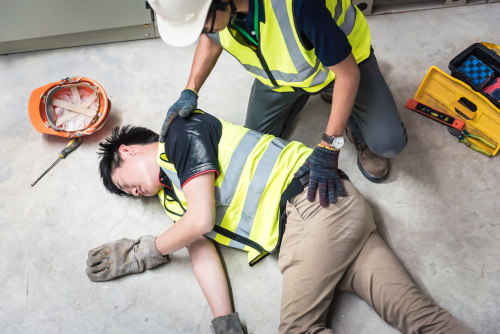 Every year, The Heath and Safety Executive releases its annual report, containing a summary of the year’s statistics. The source of all the information you’re about to read is the HSE’s website (www.hse.gov.uk)
- 1.4 million working people suffering from a work-related illness
- 2,595 mesothelioma deaths due to past asbestos exposures (2016)
- 144 workers killed at work
- 555,000 injuries occurred at work according to the Labour Force Survey
- 71,062 injuries to employees reported under RIDDOR
- 30.7 million working days lost due to work-related illness and workplace injury
- £15 billion estimated cost of injuries and ill health from current working conditions (2016/17)
For First Aid Equipment and CPR Manikins different brands and training equipment available including the Practi-Man Manikinrange, choking vests and AED Trainers and Live Units.
The post HSE accident and illness figures for Great Britain (2017/18) appeared first on Online Health & Safety Training Courses | ProTrainings Europe.
]]>The post Fatal injuries at work have increased. In 2017/18, 144 workers were killed at work appeared first on Online Health & Safety Training Courses | ProTrainings Europe.
]]>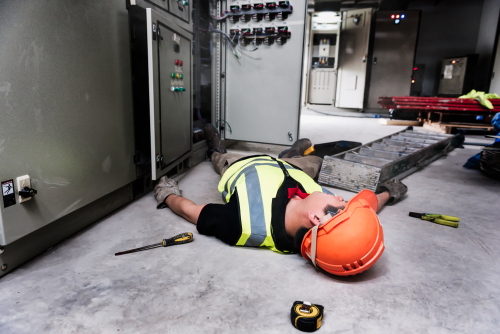 The average annual number of workers killed at work over the past five years (2013/14-2017/18) is 141. Though only a small increase, with the current health and safety culture we’d have expected a drop in this figure. What can we do to help?
A number of methods could be employed to reduce this figure.
- Treat the issue of bad H&S. Obviously the main point here. Educate staff using training. Whether it’s generic H&S training or specific training for tasks that carry risk, companies have a responsibility to ensure staff are suitably prepared and trained to carry out their work.
- Be prepared to treat an injury. Nobody wants to think about the worst, but it’s important to be ready to act if somebody does suffer a serious and potentially life-threatening injury. Training and equipment are needed to carry out emergency life support, which could potentially keep somebody alive until help arrives.
The post Fatal injuries at work have increased. In 2017/18, 144 workers were killed at work appeared first on Online Health & Safety Training Courses | ProTrainings Europe.
]]>The post UK statistics on accidents in the workplace appeared first on Online Health & Safety Training Courses | ProTrainings Europe.
]]> The United Kingdom is a country that prioritises the safety and health of its citizens, including those who work in various industries. Workplace safety is an essential aspect of the UK’s economy, and the government is keen on ensuring that all employers adhere to safety standards and provide a safe working environment for their employees. However, despite these efforts, workplace accidents still occur in the UK.
According to the Health and Safety Executive (HSE), which is the UK’s regulatory body for workplace safety, there were 693,000 cases of work-related illnesses and injuries in the UK during the 2019/2020 period. Out of these cases, 65,427 were major injuries, which include fractures, amputations, and other injuries that require hospitalisation.
The HSE also reports that during the same period, 111 workers lost their lives due to work-related accidents. This figure represents a decrease from the previous year’s 147 fatalities. However, any loss of life in the workplace is unacceptable and shows the need for employers to do more to protect their employees. The most common cause of fatal accidents in the workplace in the UK is falls from height. Falls from ladders, scaffolds, and other elevated surfaces accounted for 29% of all fatal accidents in the workplace during the 2019/2020 period. Other causes of fatal accidents in the workplace include being struck by moving vehicles or objects, being trapped by machinery, and drowning or asphyxiation.

In addition to the loss of life, workplace accidents also have a significant impact on the UK’s economy. The HSE estimates that workplace accidents and illnesses cost the UK economy around £16.2 billion during the 2018/2019 period. This figure includes the cost of lost productivity, medical treatment, and compensation claims. Employers in the UK have a legal obligation to provide a safe working environment for their employees. They must conduct risk assessments and implement measures to eliminate or minimise workplace hazards. Failure to do so can lead to legal action and significant financial penalties.
The HSE has implemented several initiatives to reduce workplace accidents in the UK. These initiatives include targeted inspections, awareness campaigns, and collaborations with industry groups and trade unions. The HSE also provides resources and guidance for employers to help them comply with workplace safety regulations.
In conclusion, the UK statistics on accidents in the workplace show that more needs to be done to protect workers. Employers must take their responsibilities seriously and prioritize the safety and health of their employees. The government and regulatory bodies like the HSE must continue to implement measures to reduce workplace accidents and ensure that all employers comply with safety regulations. By working together, we can create a safer working environment for everyone in the UK.
The post UK statistics on accidents in the workplace appeared first on Online Health & Safety Training Courses | ProTrainings Europe.
]]>The post RIDDOR statistics on injuries appeared first on Online Health & Safety Training Courses | ProTrainings Europe.
]]> The Reporting of Injuries, Diseases, and Dangerous Occurrences Regulations (RIDDOR) is a UK regulation that requires employers to report certain types of workplace incidents to the Health and Safety Executive. These incidents include work-related accidents, diseases, and dangerous occurrences.
According to the latest statistics from the HSE, there were 69,208 non-fatal injuries to employees reported under RIDDOR during the 2019/2020 period. This represents a decrease from the previous year’s 69,208 injuries.
The most common types of non-fatal injuries reported under RIDDOR during the 2019/2020 period were as follows: Slips, trips, and falls on the same level (29% of all non-fatal injuries reported) Handling, lifting, or carrying (20%) Being struck by an object (10%) Acts of violence (9%) Falls from height (8%) These five types of injuries accounted for over 75% of all non-fatal injuries reported under RIDDOR during the 2019/2020 period.
In addition to non-fatal injuries, there were also 111 fatal injuries to workers reported under RIDDOR during the 2019/2020 period. This represents a decrease from the previous year’s 147 fatalities. The most common causes of fatal injuries reported under RIDDOR during the 2019/2020 period were as follows: Falls from height (29% of all fatal injuries reported) Struck by a moving vehicle (20%) Struck by a moving object (18%) Trapped by something collapsing or overturning (8%) Contact with moving machinery (7%) These five causes of fatal injuries accounted for over 80% of all fatal injuries reported under RIDDOR during the 2019/2020 period.

The HSE also reports that there were 2,446 cases of work-related diseases reported under RIDDOR during the 2019/2020 period. These diseases include musculoskeletal disorders, occupational asthma, and work-related stress. Employers in the UK have a legal obligation to report certain types of workplace incidents under RIDDOR.
This includes incidents that result in a worker’s death, a major injury, or an injury that results in an employee being unable to work for seven or more days. Employers must also report certain dangerous occurrences and work-related diseases. The HSE uses the data from RIDDOR reports to identify trends and patterns in workplace incidents and to develop strategies to improve workplace safety.
The HSE also provides resources and guidance for employers to help them comply with RIDDOR reporting requirements and prevent workplace incidents from occurring.
In conclusion, the UK statistics on RIDDOR-reported injuries highlight the need for employers to prioritise workplace safety and take measures to prevent incidents from occurring. By identifying the most common types of workplace injuries and causes of fatal incidents, employers can implement targeted measures to prevent these incidents from occurring. Complying with RIDDOR reporting requirements and working with the HSE to improve workplace safety can help create a safer working environment for employees in the UK.
The post RIDDOR statistics on injuries appeared first on Online Health & Safety Training Courses | ProTrainings Europe.
]]>The post What is a “competent person” under HSE regulations appeared first on Online Health & Safety Training Courses | ProTrainings Europe.
]]>
The Health and Safety Executive use the term “competent person” when they describe people involved in health and safety. The HSE defines a competent person as:
“You must get help from a competent person to enable you to meet the requirements of health and safety law.
A competent person is someone who has sufficient training and experience or knowledge and other qualities that allow them to assist you properly. The level of competence required will depend on the complexity of the situation and the particular help you need.
When getting help, you should give preference to those in your own organisation who have the appropriate level of competence (which can include the employer themselves) before looking for help from outside. You must consult health and safety representatives in good time on the arrangements for competent help.”
The post What is a “competent person” under HSE regulations appeared first on Online Health & Safety Training Courses | ProTrainings Europe.
]]>The post Declaration of Conformity appeared first on Online Health & Safety Training Courses | ProTrainings Europe.
]]> Declaration of Conformity certificates are required on most new products must be supplied to end users which must relate to the particular product placed on the market. The contents of this document are stated on the HSE website and they should declare key information, including:
- The name and address of the organisation taking responsibility for the product
- A description of the product
- List which product safety directives it complies with
- May include details of relevant standards used
- Be dated, and signed by a representative of the organisation placing it on the EU/EEA market.
The post Declaration of Conformity appeared first on Online Health & Safety Training Courses | ProTrainings Europe.
]]>The post Enforcement of Health and Safety Regulations appeared first on Online Health & Safety Training Courses | ProTrainings Europe.
]]> Enforcement of Health and Safety regulations is carried out to ensure compliance. An employer must ensure they comply with all the relevant rules and regulations. An employee makes sure they follow the rules and regulations of the company. The HSE’s job is to act as enforcement officers and inspectors to ensure that companies follow the rules. They will also attend after an accident or incident.
The HSE can come into any business, make on-the-spot inspections, check records, and make sure they fully comply with all safety legislation. Health and safety legislation can include all aspects of health and safety within the workplace, infection control, and food hygiene regulations, just to name a few.
The HSE has the power to take legal action against the employer. The laws allow the criminal action to be taken. This would be done in court, and the action would be taken by the state. Civil action allows someone to take action for negligence and allow a compensation claim.
When the HSE investigate a business, they are looking to gather facts and look for any possible breaches of legislation. Once they have the facts, they consider what action must be taken and whether enforcement is required.
The HSE or other authorities can enforce it in different ways. One way would be to issue an improvement notice. This would give the company time to take corrective action. Prohibition notices can be served on an employer or person where there is a serious risk of personal injury or death. These can close down a machine on a production line or a complete business until the correct action has been taken.
The post Enforcement of Health and Safety Regulations appeared first on Online Health & Safety Training Courses | ProTrainings Europe.
]]>The post Manual Handling Regulations appeared first on Online Health & Safety Training Courses | ProTrainings Europe.
]]> Manual Handling regulations are set out in The Health and Safety at Work Act, the Management of Health and Safety at Work regulations and under Manual Handling Operations Regulations 1992, which was amended in 2002.
The Health and Safety at Work Act states that every employer shall, as far as is reasonably practicable, ensure the health and safety and welfare of all employees whilst at work. Reasonably practicable is not a defined term and it is up to the employer to justify that they have taken all reasonably practicable steps.
The Health and Safety at Work Act also sets out employee duties in that they, too, must take reasonable care of themselves and others and not interfere recklessly or intentionally with anything provided for health and safety. The management of Health and Safety at Work regulations sets out more detailed duties for employees and employers.
The post Manual Handling Regulations appeared first on Online Health & Safety Training Courses | ProTrainings Europe.
]]>