The post What is the appendix? appeared first on Online Health & Safety Training Courses | ProTrainings Europe.
]]>Despite its potential importance, the appendix is not considered a vital organ, and in many cases, it can be removed without any significant consequences. In fact, appendectomies, or surgeries to remove the appendix, are one of the most common surgical procedures performed worldwide.
 However, when the appendix becomes inflamed, a condition known as appendicitis, it can cause severe pain and other symptoms that require prompt medical attention. The following are some signs and symptoms of appendicitis to look out for:
- Abdominal pain that starts near the belly button and moves to the lower right side of the abdomen
- Loss of appetite
- Nausea and vomiting
- Constipation or diarrhea
- Low-grade fever
If you experience any of these symptoms, it’s important to seek medical attention immediately. If left untreated, appendicitis can lead to serious complications, such as a ruptured appendix, which can cause infection and other health problems.
To diagnose appendicitis, your doctor may perform a physical examination, blood tests, and imaging tests such as an ultrasound or CT scan. If the diagnosis is confirmed, the recommended treatment is usually an appendectomy, which is a surgical procedure to remove the inflamed appendix.
While the removal of the appendix may sound scary, it is a safe and routine procedure. In most cases, patients can go home the same day as the surgery and resume their normal activities within a few weeks. If left untreated, appendicitis can cause serious health problems, so it’s important to seek medical attention if you experience any symptoms.
In conclusion, while the function of the appendix may still be somewhat of a mystery, the signs and symptoms of appendicitis are well-known, and prompt treatment is essential to prevent serious complications. If you experience any abdominal pain or other symptoms associated with appendicitis, do not hesitate to seek medical attention right away.
The post What is the appendix? appeared first on Online Health & Safety Training Courses | ProTrainings Europe.
]]>The post The kidneys, what are they and what do they do? appeared first on Online Health & Safety Training Courses | ProTrainings Europe.
]]>Despite their small size, the kidneys are incredibly efficient at what they do. Every day, they get rid of between 1 and 1-and-a-half litres of urine per day, and filter 200 litres of fluid. This process helps to keep the body free from harmful toxins and maintain a healthy balance of fluids and electrolytes.
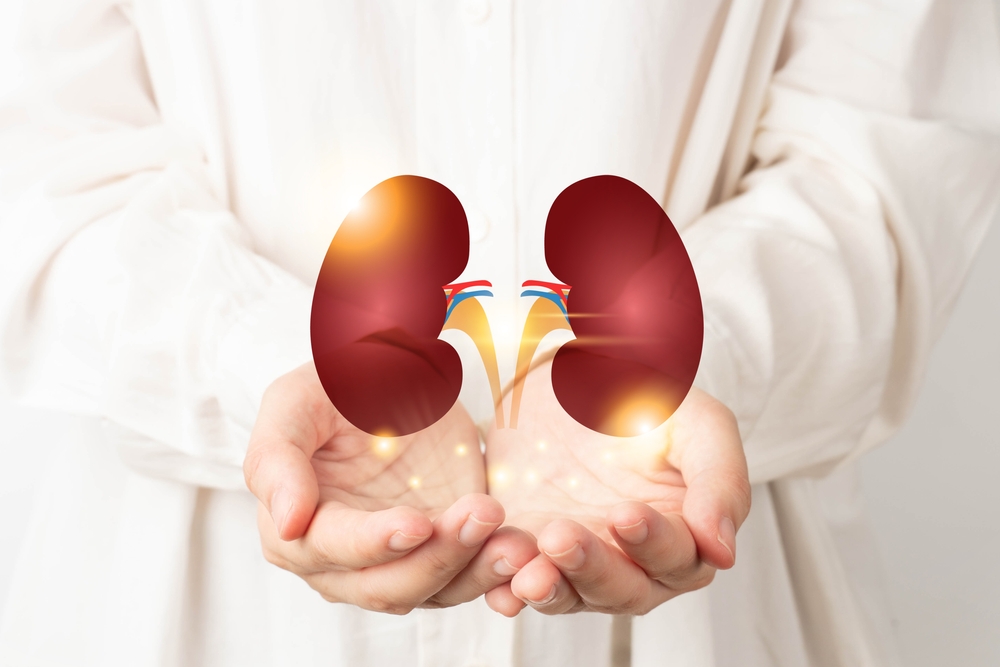 But what happens when the kidneys do not function as they should? Chronic kidney disease, or CKD, is a condition in which the kidneys gradually lose function over time. This can be caused by a number of factors, including diabetes, high blood pressure, and certain genetic or autoimmune disorders.
While there is no cure for CKD, there are several treatment options available to help manage the condition and slow its progression. These may include lifestyle changes like diet and exercise, medication to control blood pressure and other factors that can contribute to kidney damage, and in some cases, dialysis, or kidney transplant.
Despite the challenges posed by CKD, many people with the condition are able to lead full and productive lives with the help of proper treatment and care. With advances in medical research and technology, there is also hope for new and more effective treatments for CKD in the future.
In conclusion, the human kidneys are an amazing and complex organ that play a vital role in our overall health and well-being. By understanding the functions of the kidneys and the conditions that can affect them, we can take steps to protect our kidney health and get appropriate treatment if needed. With the right care and attention, we can all help to support the health of this essential organ and enjoy a long and healthy life.
The post The kidneys, what are they and what do they do? appeared first on Online Health & Safety Training Courses | ProTrainings Europe.
]]>The post The bladder appeared first on Online Health & Safety Training Courses | ProTrainings Europe.
]]>The bladder is a highly specialised organ that has several unique features that allow it to perform its functions effectively. For example, it has a strong, flexible muscular wall that can expand and contract as it fills with urine. The lining of the bladder is also made up of several layers of specialised cells, which help to prevent urine from leaking out and keep the bladder healthy and free from infection.
 One of the most common conditions that can affect the bladder is urinary incontinence, which is the involuntary leakage of urine. This condition can be caused by a number of factors, including pregnancy, childbirth, menopause, and certain medical conditions like diabetes or multiple sclerosis. It can have a significant impact on a person’s quality of life, but it is often treatable with lifestyle changes, medication, or surgery.
Another condition that can affect the bladder is a urinary tract infection, also known as a UTI. UTIs are caused by bacteria that enter the bladder and cause inflammation and irritation. Symptoms of a UTI can include pain or burning during urination, frequent urination, and a feeling of urgency. UTIs can usually be treated with antibiotics, but it is important to seek medical attention if you suspect you have a UTI, as it can lead to more serious complications if left untreated.
In some cases, the bladder may become diseased or damaged due to medical conditions like bladder cancer or interstitial cystitis. These conditions can cause a range of symptoms, including pain, blood in the urine, and frequent urination. Treatment for these conditions may include surgery, medication, or other therapies.
In conclusion, the human bladder is a complex and vital organ that plays an important role in our overall health and well-being. By understanding the functions of the bladder and the conditions that can affect it, we can take steps to keep it healthy and functioning at its best. If you are experiencing any symptoms related to the bladder, it is important to seek medical attention to determine the underlying cause and get appropriate treatment.
The post The bladder appeared first on Online Health & Safety Training Courses | ProTrainings Europe.
]]>The post The human spleen appeared first on Online Health & Safety Training Courses | ProTrainings Europe.
]]>Located in the upper left quadrant of the abdomen, the spleen is a small, oval-shaped organ that is roughly the size of a fist. It is made up of two types of tissue: red pulp and white pulp. The red pulp is responsible for filtering out old and damaged red blood cells from the body, while the white pulp contains immune cells that help to fight off infections and other foreign invaders.
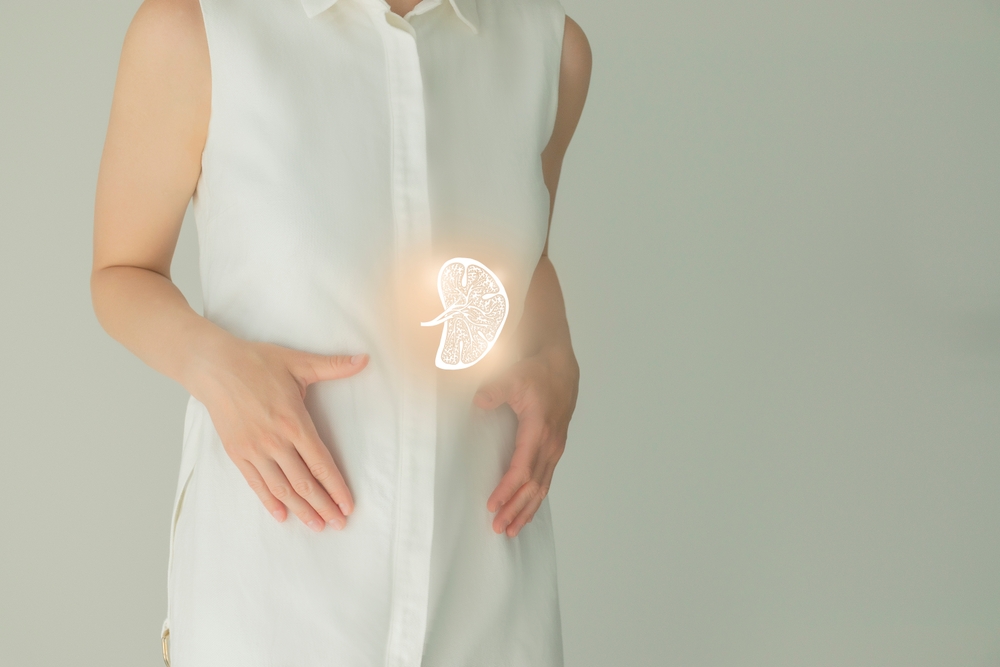 Despite its small size, the spleen has a big impact on our health. One of its most important functions is to produce and store white blood cells, which are essential for fighting off infections and diseases. The spleen also helps to remove harmful toxins and bacteria from the bloodstream, keeping our blood clean and healthy.
But what happens when something goes wrong with the spleen? Some people may be born without a spleen or have it removed due to injury or disease. While it is possible to live without a spleen, it can put a person at a higher risk for infections and diseases. Without a spleen, the body is less able to fight off harmful bacteria and viruses, making it easier for infections to take hold.
In some cases, the spleen itself may become diseased. One common condition is an enlarged spleen, which can be caused by a number of factors such as infections, liver disease, or blood disorders. An enlarged spleen can cause a range of symptoms, including pain, fatigue, and a feeling of fullness in the abdomen.
Despite its importance, the spleen is often overlooked when it comes to our overall health. However, by taking care of our bodies through healthy lifestyle choices, such as eating a balanced diet and getting regular exercise, we can help to keep our spleens—and the rest of our organs—functioning at their best.
In conclusion, the human spleen may be small, but it plays a big role in our immune system and overall health. By understanding the importance of this often-overlooked organ and taking steps to keep it healthy, we can help to support our body’s natural defences and enjoy a long and healthy life.
The post The human spleen appeared first on Online Health & Safety Training Courses | ProTrainings Europe.
]]>The post Learn more about the human tongue appeared first on Online Health & Safety Training Courses | ProTrainings Europe.
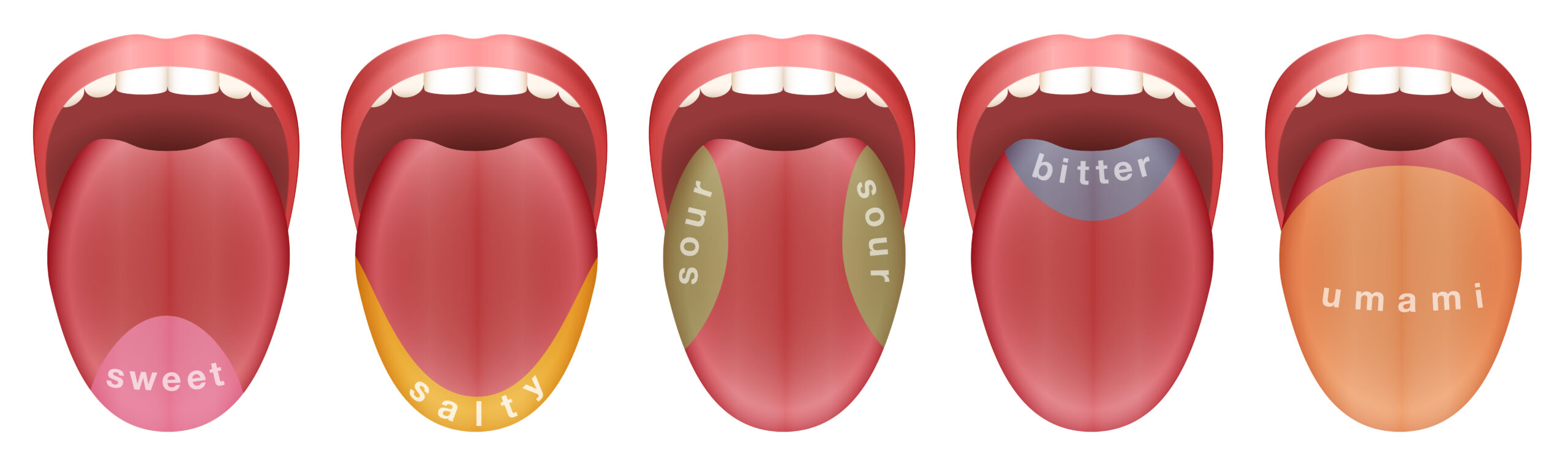
]]>The tongue is made up of a combination of muscles, nerves, and taste buds. It is covered in small, finger-like projections called papillae, which contain thousands of taste buds. These taste buds are responsible for allowing us to experience the five basic tastes: sweet, salty, sour, bitter, and umami, also known as savoury.
In addition to its taste buds, the tongue is also important for speech. The muscles of the tongue work together with the lips, teeth, and other organs of the mouth to create a wide range of sounds and phonemes. Without the tongue, speech would be impossible.
But the tongue’s functions do not stop there. It is also important for chewing and swallowing food. As we chew our food, the tongue moves it around in the mouth and mixes it with saliva, which helps to break down the food and make it easier to swallow. Once the food is ready to be swallowed, the tongue helps to push it to the back of the throat and into the oesophagus.
Despite its small size, the tongue is an incredibly versatile and important organ. It is responsible for so many of the things that we take for granted in our daily lives, from tasting our food to communicating with others.
However, like many other parts of the body, the tongue can also be vulnerable to disease and injury. Some common conditions that can affect the tongue include infections, inflammation, and cancer. It is important to seek medical attention if you notice any unusual changes to your tongue, such as swelling, pain, or discoloration.
In conclusion, the human tongue is an amazing organ with a wide range of functions. From tasting our food to speaking and swallowing, it plays an important role in our daily lives. By understanding the features and purpose of the tongue, we can better appreciate the incredible complexity of the human body and take steps to keep our tongues healthy and functioning at their best.
The post Learn more about the human tongue appeared first on Online Health & Safety Training Courses | ProTrainings Europe.
]]>The post Kidney stones appeared first on Online Health & Safety Training Courses | ProTrainings Europe.
]]> The following are some signs and symptoms of kidney stones to look out for:
- Severe pain in the side and back, below the ribs
- Pain that radiates to the lower abdomen and groin
- Painful urination
- Nausea and vomiting
- Urine that is cloudy or smells bad
- Blood in the urine
If you experience any of these symptoms, it is important to seek medical attention immediately. Your doctor may perform a physical examination, blood tests, and imaging tests such as a CT scan or ultrasound to diagnose the condition.
There are several medical treatments available for kidney stones, depending on the size and location of the stones. In some cases, patients may be able to pass the stones naturally through urination, with the help of pain medication and plenty of fluids. For larger stones or stones that are causing severe pain, your doctor may recommend a procedure to remove or break up the stones, such as shock wave lithotripsy, ureteroscopy, or percutaneous nephrolithotomy.
While medical treatment is essential for managing kidney stones, there are also some first aid measures that can help to ease the pain and discomfort associated with the condition. These include:
- Drinking plenty of water and other fluids to help flush out the stones
- Taking over-the-counter pain medication, such as ibuprofen or acetaminophen
- Applying heat to the affected area to help relieve pain and muscle spasms
- Using a strainer to catch any stones that pass through the urinary tract, which can help your doctor to determine the cause of the stones and prevent future occurrences.
In conclusion, kidney stones can be a painful and uncomfortable condition, but prompt medical attention and proper treatment can help to manage the symptoms and prevent complications. If you experience any signs or symptoms of kidney stones, do not hesitate to seek medical attention right away.
The post Kidney stones appeared first on Online Health & Safety Training Courses | ProTrainings Europe.
]]>