The post Excessive Noise in the Workplace: Effects, Health Impacts, First Aid & Prevention Strategies appeared first on Online Health & Safety Training Courses | ProTrainings Europe.
]]>Excessive noise in the workplace can lead to various health issues for workers. In this article, we’ll discuss the effects of excessive noise on the body, first aid requirements, immediate and long-term health effects, and prevention strategies.
Effects of Excessive Noise on the Body: Excessive noise can impact both hearing and overall health. High noise levels can cause temporary or permanent hearing loss, tinnitus (ringing in the ears), and various non-auditory health effects, such as stress, cardiovascular issues, and sleep disturbances.
First Aid Requirements: First aid for noise-induced hearing issues mainly focuses on prevention, as immediate first aid measures are limited. If a worker experiences sudden hearing loss or severe tinnitus, they should seek medical attention as soon as possible.
Immediate Health Effects: Exposure to excessive noise can lead to immediate health effects, such as:
- Temporary hearing loss: Workers may experience a temporary decrease in hearing sensitivity after exposure to loud noise. This effect usually subsides after some time away from the noise source.
- Tinnitus: Exposure to loud noise can cause temporary or chronic tinnitus, which is characterised by ringing, buzzing, or hissing sounds in the ears.
Long-Term Health Effects: Prolonged or repeated exposure to excessive noise can result in long-term health effects, such as:
- Permanent hearing loss: Ongoing exposure to high noise levels can cause permanent damage to the hair cells in the inner ear, leading to irreversible hearing loss.
- Stress and mental health issues: Chronic exposure to excessive noise can contribute to increased stress levels, anxiety, and even depression.
- Cardiovascular problems: Long-term exposure to high noise levels has been linked to an increased risk of hypertension and other cardiovascular issues.
- Sleep disturbances: Exposure to excessive noise, especially during night shifts, can lead to sleep disturbances and negatively impact overall health and well-being.
Prevention: To minimise the risks associated with excessive noise in the workplace, consider implementing the following strategies:
- Noise assessment: Regularly assess noise levels in the workplace and identify areas where noise reduction measures are needed.
- Engineering controls: Implement engineering controls, such as installing noise barriers or modifying equipment, to reduce noise levels at the source.
- Administrative controls: Establish policies to limit workers’ exposure to excessive noise, such as rotating tasks or scheduling regular quiet periods.
- Hearing protection: Provide appropriate hearing protection, such as earplugs or earmuffs, and ensure workers are trained in their proper use and maintenance.
- Employee education: Offer regular training on the risks of excessive noise, the importance of hearing protection, and early warning signs of hearing damage.
- Hearing conservation programs: Implement a comprehensive hearing conservation program that includes noise monitoring, employee training, and regular hearing tests.
Understanding the effects of excessive noise on the body, being prepared with first aid measures, and implementing prevention strategies can help reduce immediate and long-term health risks in the workplace. By fostering a culture of safety, you can protect workers and ensure a healthier work environment.
The post Excessive Noise in the Workplace: Effects, Health Impacts, First Aid & Prevention Strategies appeared first on Online Health & Safety Training Courses | ProTrainings Europe.
]]>The post Escape breathing apparatus appeared first on Online Health & Safety Training Courses | ProTrainings Europe.
]]>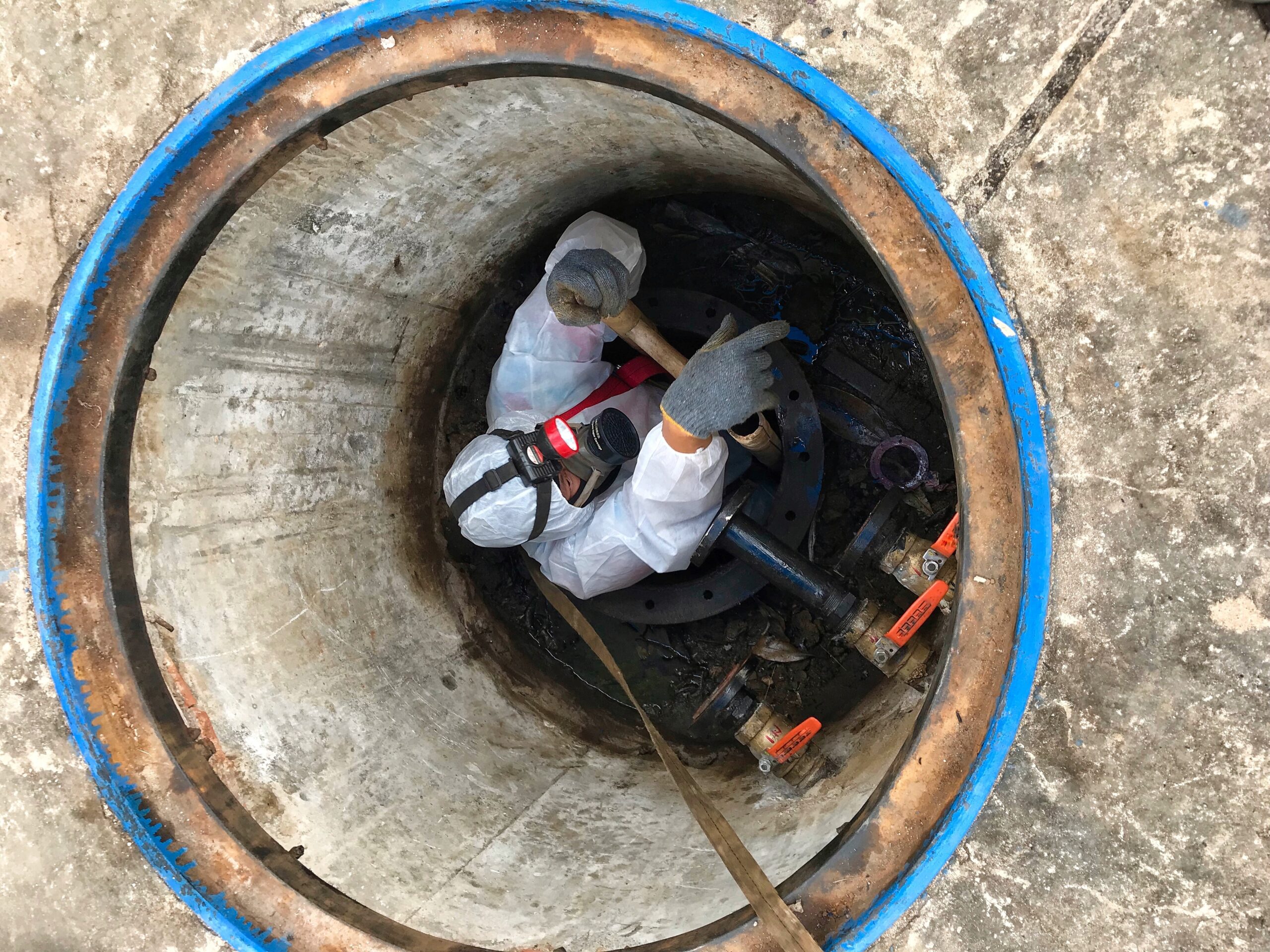 Let us consider a situation where your gas alarm has gone off. Once that goes off, we will need some means to get out quite quickly, and what we expect is to have an emergency escape set available for us. Now, this set is designed to give constant pressure, which is about 10 minutes worth of air. As you deploy it, you can hear it going off. You remove the hood from inside, and you put the hood straight onto your head. Now, why we have the hooded type, which is now becoming the most popular, is you don’t need to be clean shaven and you can still wear glasses.
The opposite type of emergency escape set is known as the face mask type. You must be clean-shaven. You cannot wear glasses because the actual mask fits tightly to your face. Again, these will give 10 minutes worth of air. The only benefit with the face mask type is what is called a long demand valve. We can actually breathe slower and actually make it last just a little bit longer. So many industries actually prefer this, compared to the hooded type. We might need an extended set, some that last for 15 minutes, normally used by water authorities as they go into large sewer systems, large tunnels.
When we get to a 20-minute escape set, that is normally used for a particular task where we need that extra duration. But if we were to hire or we own an emergency escape set, then there are certain checks we need to do. First of all, check the gauge. Make sure the gauge is in the middle, in the green. As you remove the handle, there will be a clip. You must unclip it. Once I have unclipped it, I will then extract the cylinder and check its condition. The cylinder must be within the five-year testing that is in place for all cylinders. I will then check the hose, pass it through my hands and ensure there is no damage. I will check the hood or the mask again to ensure there is no damage. I might give the cover a nice, clean inside to make sure there is no debris. And then I will need to refit it accordingly, making sure the last thing I do is reconnect the pin so it is ready to go.
More information can be found in our confined spaces course.
The post Escape breathing apparatus appeared first on Online Health & Safety Training Courses | ProTrainings Europe.
]]>The post PPE – Personal Protective Equipment appeared first on Online Health & Safety Training Courses | ProTrainings Europe.
]]>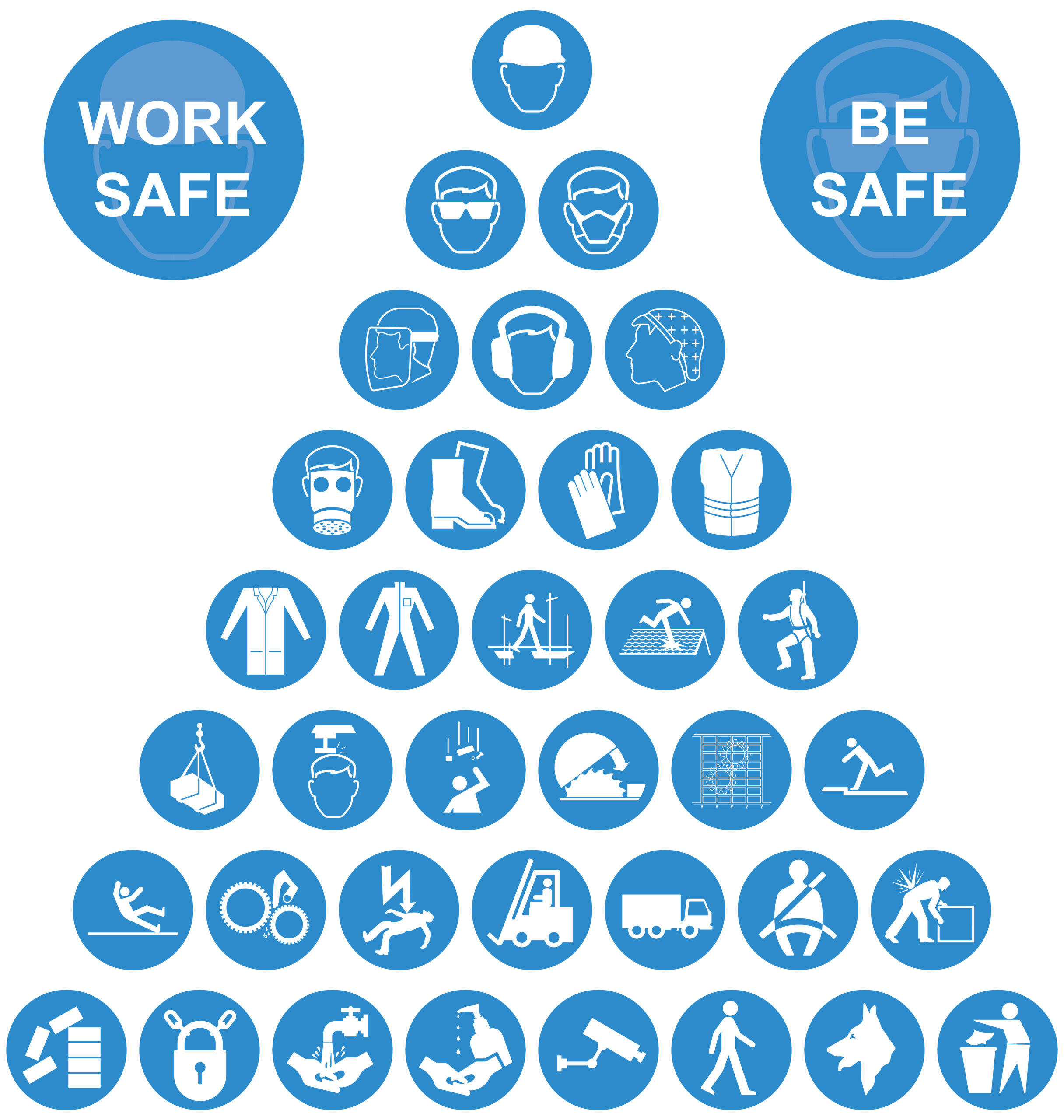 PPE or personal protective equipment comes in many designs and uses. During a risk assessment, the need for personal protective equipment or PPE is identified and which type is best suited to be used. PPE is equipment that is used by the employee to directly protect them from harm or discomfort while at work. PPE can also improve the way things are done by making it more comfortable to work.
There are many different types of PPE to protect different parts of the body and what you will need will be advised by your employer. When your employer provides you with PPE you must wear it and keep it well maintained.
If the PPE is damaged it is no longer effective and can become a risk itself and cause you harm. Report any damages and do not use damaged or PPE that does not fit you.
The different types of PPE and some of the more common items include:
- Head protection – this can be in the form of a hard hat or a re-enforced cap to protect you against items that may fall or if you hit your head against something. They must be adjusted inside to make sure that the supports fit your head. Some also have visors on to protect your eyes or earmuffs to protect your hearing.
- Ear defenders – these protect your hearing from short and long-term hearing damage. They can be in the form of foam plugs that go in your ear to the full defenders that go over your head or attached to a hard hat.
- Overalls – these prevent loose clothing getting entangled, keep you clean, prevents contamination that transfer on clothes and some are made of a material that resists fire or chemicals. Where necessary, high visibility strips are sewn into the overalls to make you more visible to others.
- Cold weather clothing – this protects you from the cold and rain which can prevent accidents by making you more comfortable. Some safety items are incorporated as well as protective strips or high visibility strips.
- Gloves – there are many types of gloves to protect from infection from blood, chemicals, to protect from sharp items, to keep you warm, to give more grip and to keep you dry.
- Footwear – this can be wellington boots or work boots and these sometimes have steel toe caps to protect you if something is dropped on your foot. Footwear is also designed to have features like good grip to avoid slips and resistance to chemicals.
- High visibility clothing – this can be coats, overalls, vests or armbands. These make you more visible to people and drivers of vehicles.
- Breathing equipment – this can be a complex face mask and breathing apparatus with a simple mouth and nose paper mask. These avoid dust particles entering your respiratory system. Any mask or respirator must be well maintained and the mask or filters changed when needed.
- Safety goggles or glasses – these prevent dust, dirt or liquids getting into your eyes which can irritate or damage your sight.
- Safety harnesses – if you are working at heights or in dangerous areas you may have to wear a safety harness. You will need special training on harness use as if they are not worn correctly, they can be ineffective.
- Lifejackets – if you are working near or on water, it may be necessary to wear a lifejacket in case you fall into the water. There are many other types of PPE, talk to your employer on what you need to use while at work.
The post PPE – Personal Protective Equipment appeared first on Online Health & Safety Training Courses | ProTrainings Europe.
]]>