The post Slips, Trips and Falls appeared first on Online Health & Safety Training Courses | ProTrainings Europe.
]]> Slips, trips, and falls are estimated to cost businesses over £300 million pounds a year. They are rarely fatal but cause a lot of pain, discomfort and time off work. Slips, trips, and falls are also important in relation to the Manual Handling Regulations.
A slip, trip or fall can occur at any time and often when you least expect it. You could be walking around the workplace, carrying a load or simply getting up from your desk and a fall could occur.
Risk assessment and health and safety inspections will identify many hazards, but employees’ good health and safety awareness in the workplace will also reduce the hazards.
Some examples of slip, trip and fall hazards include:
Wet floors, as water, are often invisible and cause a slip hazard. Control is by cleaning up water and the use of warning signs.
Kurbs and steps are an oblivious hazard, but floor mats can easily trip people up.
Other trip hazards include boxes, handbags, rubbish, and photocopier paper, to name a few.
Electrical cables pose a double risk. First, the trip hazard and secondly, if cables are pulled from the wall, then there is an electric shock risk.
Good housekeeping will reduce many slip, trip and fall risks. Some examples include:
- Tie up cables and check under desks to ensure electrical safety at work
- Handbags and laptop bags need to be put in drawers or stored safely.
- Avoid leaving coats on the back of chairs as they get caught on the wheels and can cause you to fall
- Photocopy paper left on the floor
- Underfloor cable points
- Door stops could cause a trip hazard
- Coats on the back of chairs pose a risk of jamming the chair and causing you to fall
- Stairs are an oblivious place where people can fall. Keeping the stairs free of obstacles and always holding the handrail will reduce the risk of accidents.
- Check carpets for loose areas and report them immediately so they can be fixed.
- Think about your actions, tidy up after yourself, report any concerns and if you are caring or moving a load, check your route first.
To reduce the risks of injury, you must ensure effective control measures are in place.
The post Slips, Trips and Falls appeared first on Online Health & Safety Training Courses | ProTrainings Europe.
]]>The post MSD’s or musculoskeletal disorders appeared first on Online Health & Safety Training Courses | ProTrainings Europe.
]]>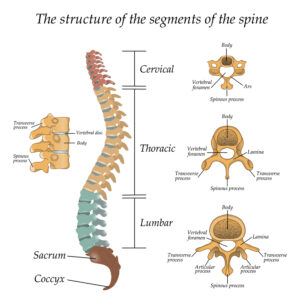 MSD, or musculoskeletal disorders, is a broad umbrella label for many types of aches and pains, and treatment is determined by the exact medical diagnosis. They fall largely into three types of problems. Upper limb disorders, Lower limb disorders and Back pain. Most cases can be satisfactorily dealt with by your Doctor. There are other alternative methods of treatment, such as through physiotherapists, chiropractors and osteopaths, that can be helpful in the assessment and treatment of these disorders.
They are not always caused by work, but they are often aggravated by the work we do; where this is the case, there is a requirement for an employer to assess the cause and take remedial action.
Risk factors causing MSDs can be found in virtually every workplace where someone is using DSE or even any manual task. MSDs are only reportable if they lead to a major injury or result in an absence lasting more than three working days and should be reported as such normally.
There are a variety of precautionary measures an employer can take to reduce the risk of MSDs. The appropriate control measures can depend upon the work your employees do and what is ‘reasonably practicable’. The first step is to assess all of the MSD risks that the tasks generate. Next, try to eliminate as many of them as possible by redesigning the tasks, providing mechanical aids, and introducing breaks or job rotation.
When considering the risks, potential precautionary measures and solutions, ensure you consult your workforce as they often have first-hand knowledge of the risks associated with specific tasks. Once the precautionary measures have been introduced, you should monitor their effectiveness and ensure these measures have not introduced new risks. HSE has produced a number of publications that provide potential solutions that may help with your choice of precautionary measure, some of which are industry-specific.
The post MSD’s or musculoskeletal disorders appeared first on Online Health & Safety Training Courses | ProTrainings Europe.
]]>